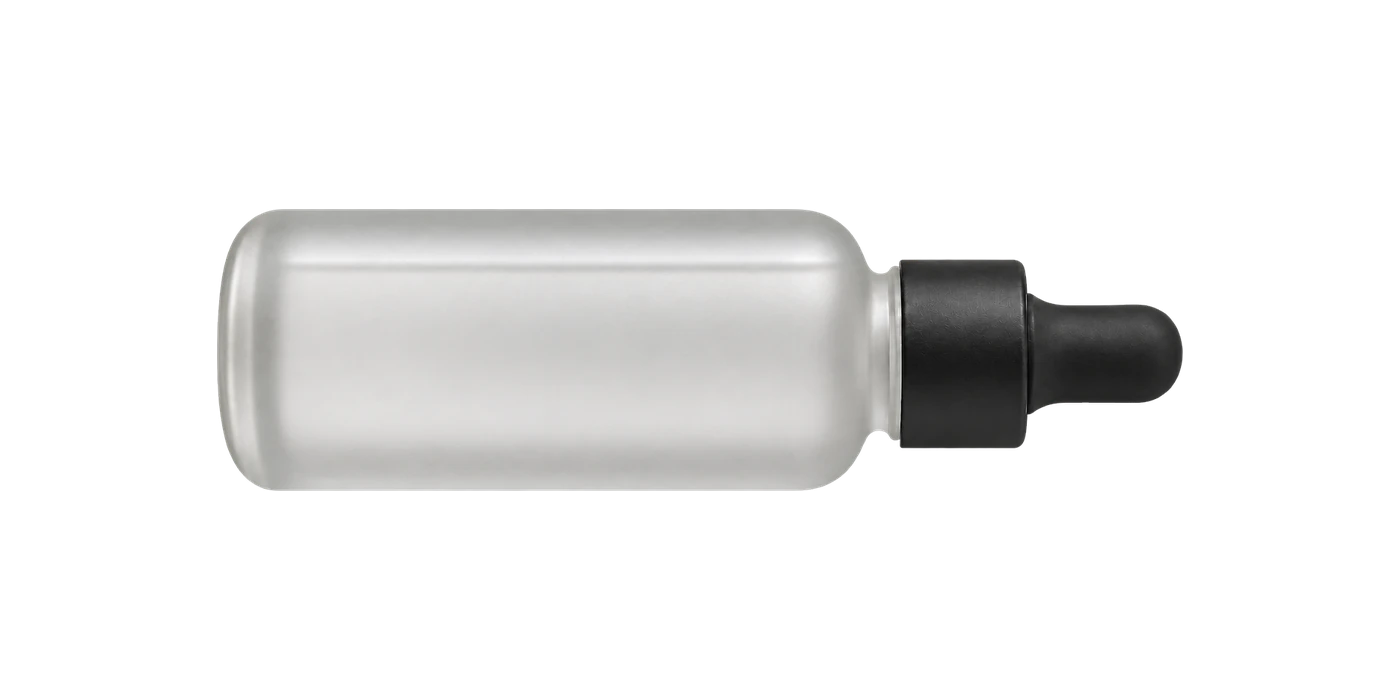
Squalane
A lightweight, skin-friendly oil that softens and moisturises without feeling greasy, suited to most skin types.
What it is
Squalane is a saturated oil made either by hydrogenating squalene, a lipid found in skin's own sebum and in olives, or from farnesene made by fermenting sugarcane sugar. It helps skin feel soft and smooth and stay moisturised without a heavy finish. It is a supporting ingredient rather than a targeted active, and suits dry, sensitive and combination skin.
Good for
How it works
Squalane spreads easily and forms a thin, breathable film that slows water loss and fills gaps between surface skin cells, so skin feels smoother.
Ratings
Pairs and cautions
Pairs well with
In a routine. Pairing in one formula depends on matching pH windows.
Take care with
- Substituting squalene for squalaneOxidises readily
Formulations it suits
Packaging
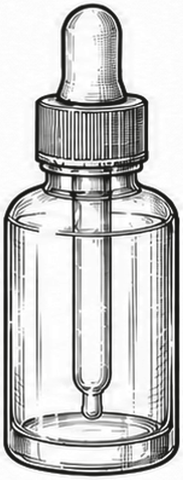
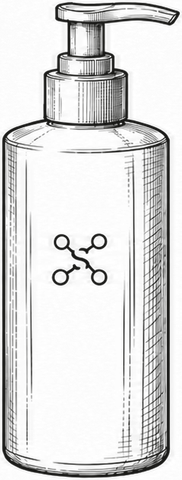
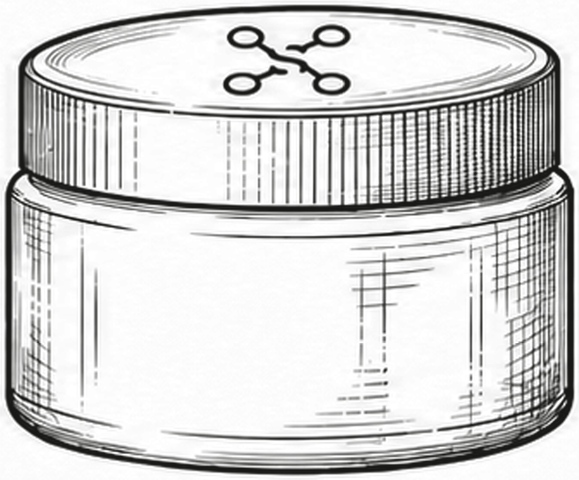
Regional considerations
| Australia | AIIC-listed and not scheduled in the Poisons Standard, so Australia sets no strength limit, including for single-ingredient face oils. |
|---|---|
| United States | FDA sets no limit, and the CIR Expert Panel re-confirmed squalane and squalene as safe in cosmetics in its 2023 re-review. |
Specifications
2–10% in creams and serums as a light emollient; single-ingredient face oils use it at up to 100%.
| INCI | Squalane |
|---|---|
| Also known as | Olive squalane, Sugarcane-derived squalane, Perhydrosqualene |
| Origin | plant-derived |