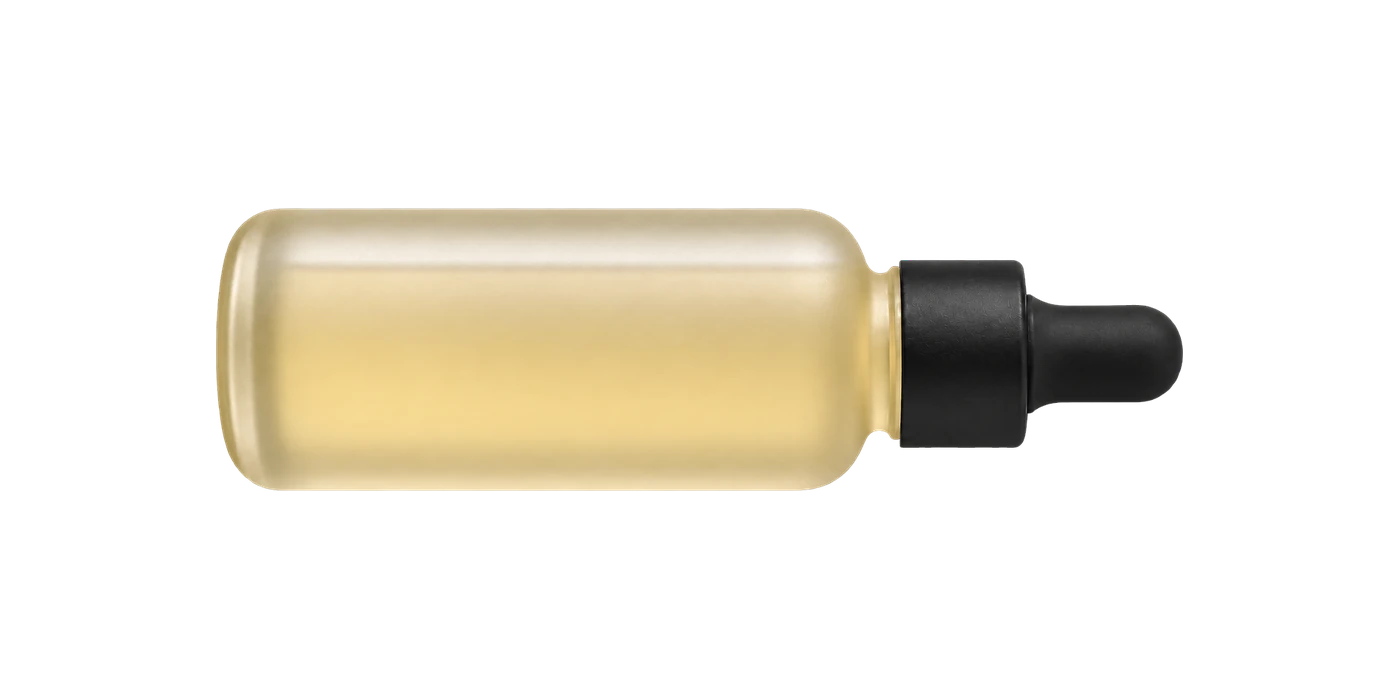
Bakuchiol
A plant-derived ingredient often chosen as a gentler alternative to retinol for smoother, more even-looking skin.
What it is
Bakuchiol is purified from the seeds of the babchi plant (Psoralea corylifolia). It is not a form of vitamin A, but in laboratory and early clinical studies it helped the appearance of fine lines and uneven tone with less dryness than retinol. It suits people who find retinol too strong or prefer a plant-derived active.
Good for
How it works
Bakuchiol has a different structure from retinol, yet in laboratory studies it produced a similar pattern of skin-renewal activity. It is also an antioxidant. Why it tends to feel gentler than retinol is not yet established.
Ratings
Pairs and cautions
Pairs well with
In a routine. Pairing in one formula depends on matching pH windows.
- Retinol and retinal
- Niacinamide
- Squalane
- Ceramides
- Daily sunscreen
Take care with
- Free iron or copper ionsCause discolouration
- Sodium, potassium or aluminium hydroxideIncompatible
Formulations it suits
Packaging
Regional considerations
| Australia | Not scheduled, but it was not on the June 2026 public AIIC, so the importer must categorise its introduction with AICIS before bringing it in. |
|---|---|
| European Union | Bakuchiol itself is unrestricted, but furocoumarins (psoralens) from the source seed are prohibited (Annex II), so specify a furocoumarin-free grade. |
| China | Since 19 August 2026 bakuchiol has been listed in the IECIC (Catalogue II), so a new-ingredient filing is no longer needed; check the listing's technical requirements. Its source plant Psoralea corylifolia remains prohibited, so seed extracts cannot be used. |
Specifications
0.5–1% in serums and creams; 0.5% matches the main published trial, and higher levels add cost without clear benefit.
| INCI | Bakuchiol |
|---|---|
| Also known as | Plant-based retinol alternative |
| Origin | plant-derived |
Lab notes
Solubility and phase
Stability
Regulatory, Australia
Claims to take care with
Sources
- pubmed.ncbi.nlm.nih.gov29947134
- pubmed.ncbi.nlm.nih.gov24471735
- pubmed.ncbi.nlm.nih.gov38564402
- pubmed.ncbi.nlm.nih.gov30644106
- eur-lex.europa.eu?uri=CELEX:02009R1223 20260501
- nmpa.gov.cn1761641757076009036.xlsx
- nmpa.gov.cnMjAxNcTqtdoyNji6xbmruOa4vbz+LnBkZg==
- services.industrialchemicals.gov.auSearch inventory