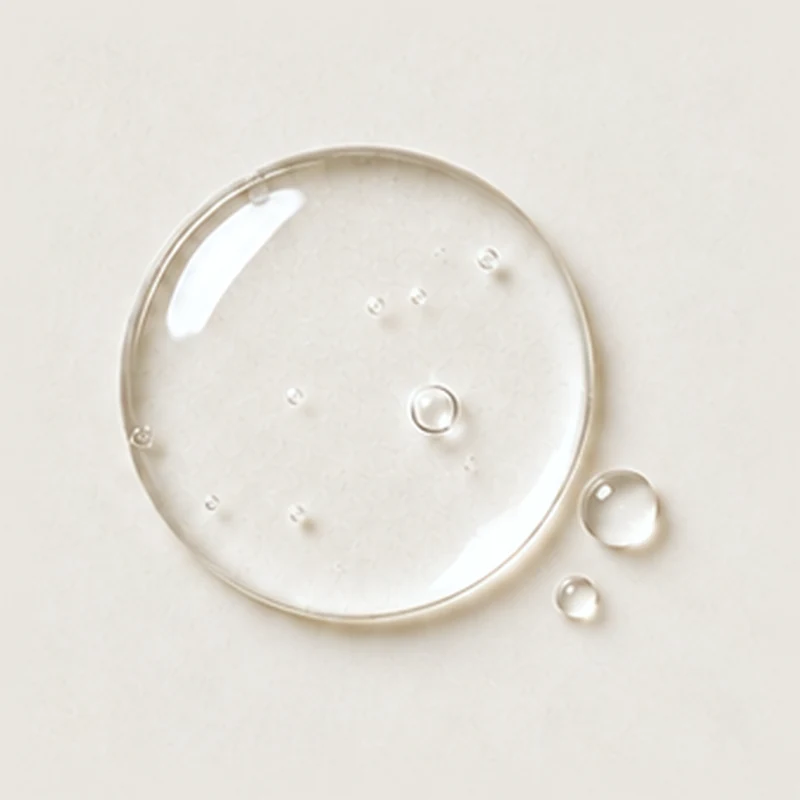
A light, concentrated product, usually a water-based gel, applied in small doses before moisturiser.
Fluid and silky, absorbing within seconds with little or no residue.
Hydrating serum, Tone or brightening serum, Firming serum, Targeted treatment step
What it is
A serum is a thin, fast-absorbing product that delivers a higher level of a targeted ingredient in a few drops. Many are lightly thickened, clear water-based gels; emulsion serums add a little oil for a silkier, more nourishing finish.
Who it suits
All skin typesOily skin (gel serums)Dry skin (emulsion serums)
Sodium phytate; phenoxyethanol or organic acid systems
Benefits and challenges
Benefits
A few drops cover the face.
Delivers a higher level of a targeted ingredient.
Easy to layer under other products.
Challenges
Shelf life is often set by the active.
Clear gels show haze, colour change and bubbles.
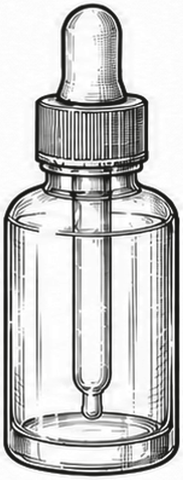
Droppers let air in with each use.
Shelf life
Unopened
12–36 months01236 months
After opening
3–12 months01224 months
Often limited by the stability of the active. Main risks are colour change, pH drift, viscosity loss and haze.
Packaging
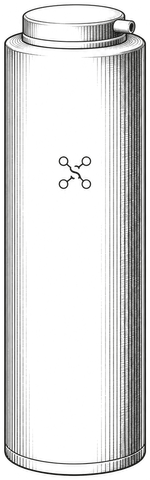
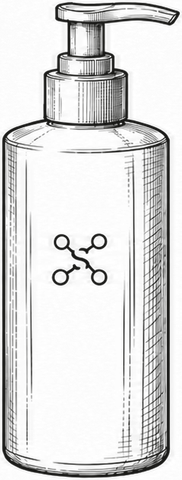
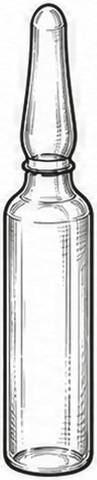
Dropper bottleAirless pumpPump bottleAmpoule
In the lab
How it is made
01Hydrate the gelling agentDisperse gum or polymer in cold water.
02Dissolve the activesAdd humectants and water-soluble actives.
03Add oil phase (optional)Homogenise a small oil phase for emulsion serums.
04Set pH and thickenNeutralise carbomer or adjust pH for the active.
05De-aerate and filterVacuum mixing keeps clear gels bubble-free.
cold fill · 25 °CAirless or opaque packs, sometimes with nitrogen flushing, protect oxygen- or light-sensitive actives.
Specifications
pH
pH 4.5–6.52 acid7 neutral10 alkaline
Viscosity at rest
500–15,000 mPa·swaterlotioncreambutterpaste
Batch sizes
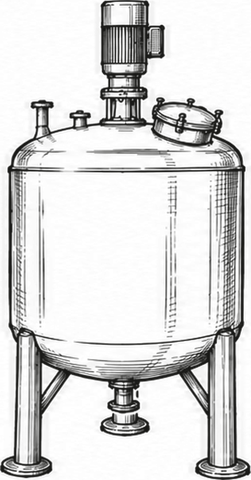
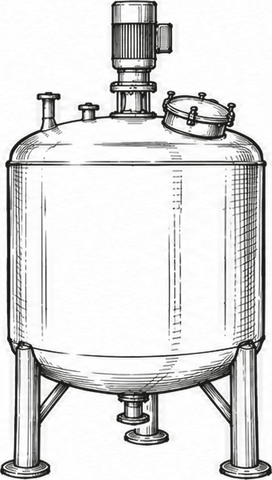
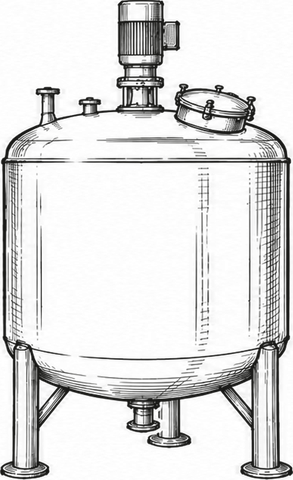
50 L pilot1,000 L5,000 L production
Lab notes
Preservation
Required, as high-water, low-oil systems are prone to contamination. Challenge test to ISO 11930.
Stability testing
Accelerated storage at 40–45 °C, light exposure for clear packs, assay of the key active over time, and colour and pH tracking.
Regulatory, Australia
Cosmetic when claims stay with appearance and hydration; claims to prevent or treat a disease or ailment, or to change a physiological process such as collagen production, make it a therapeutic good. Label ingredients under the Consumer Goods (Cosmetics) Information Standard 2020.