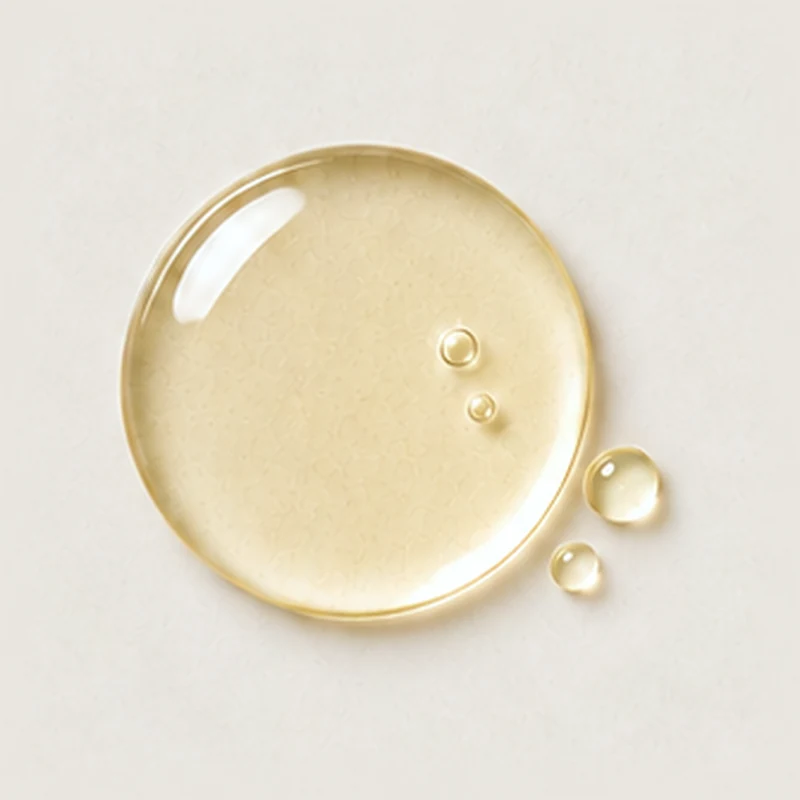
A blend of plant oils and light esters for the face, made without water.
Slippery at first, settling to a soft satin sheen.
Face oil, Night treatment oil, Facial massage oil, Beard oil
What it is
A facial oil is a mix of oils and oil-soluble ingredients with no water at all. A few drops are pressed into skin, alone or over a serum, to soften it and leave a sheen. It is a simple format that suits natural and certified-organic formulas.
Limited mainly by oxidation of the oils. Keep from heat and light, and watch for changes in odour and colour.
Packaging
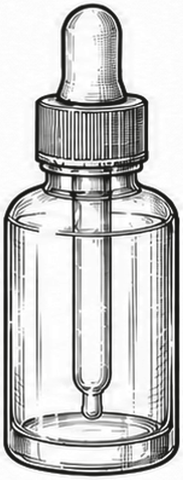
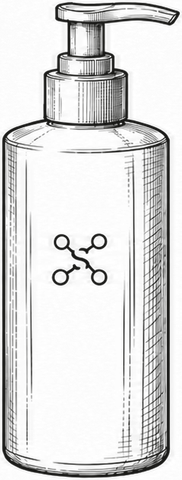
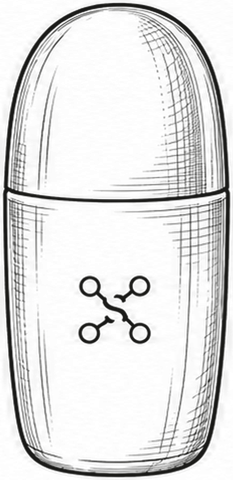
Dropper bottlePump bottleRoll-on
In the lab
How it is made
01Weigh and blend oilsMix oils and esters at room temperature.
02Melt waxy ingredientsWarm gently only if solids are used.
03Add antioxidant earlyTocopherol protects the oils from oxidation.
04Filter and blanketFilter for clarity, often under nitrogen.
cold fill · 25 °CNitrogen flushing of the headspace slows oxidation, and dropper bulbs and seals are checked for oil tolerance.
Specifications
Viscosity at rest
20–100 mPa·swaterlotioncreambutterpaste
Batch sizes
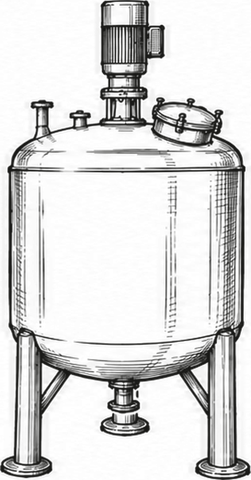
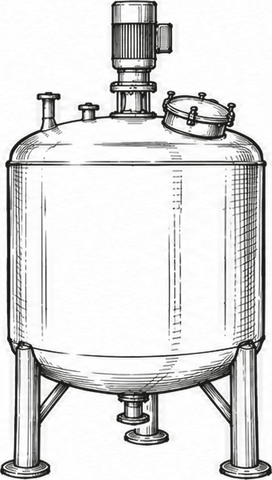
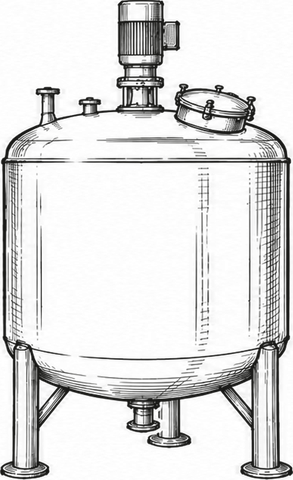
50 L pilot1,000 L5,000 L production
Lab notes
Preservation
Usually not needed if truly anhydrous; justify with an ISO 29621 risk assessment. An antioxidant is needed to slow rancidity.
Stability testing
Oxidative stability (peroxide value, Rancimat), storage at 40–45 °C, light exposure, odour and colour checks, and pack compatibility.
Regulatory, Australia
Cosmetic for softening and appearance claims; therapeutic claims, including for its essential oils, make it a therapeutic good. Keep essential oils within IFRA limits and declare fragrance as 'fragrance' or 'parfum'. Label ingredients under the Consumer Goods (Cosmetics) Information Standard 2020.