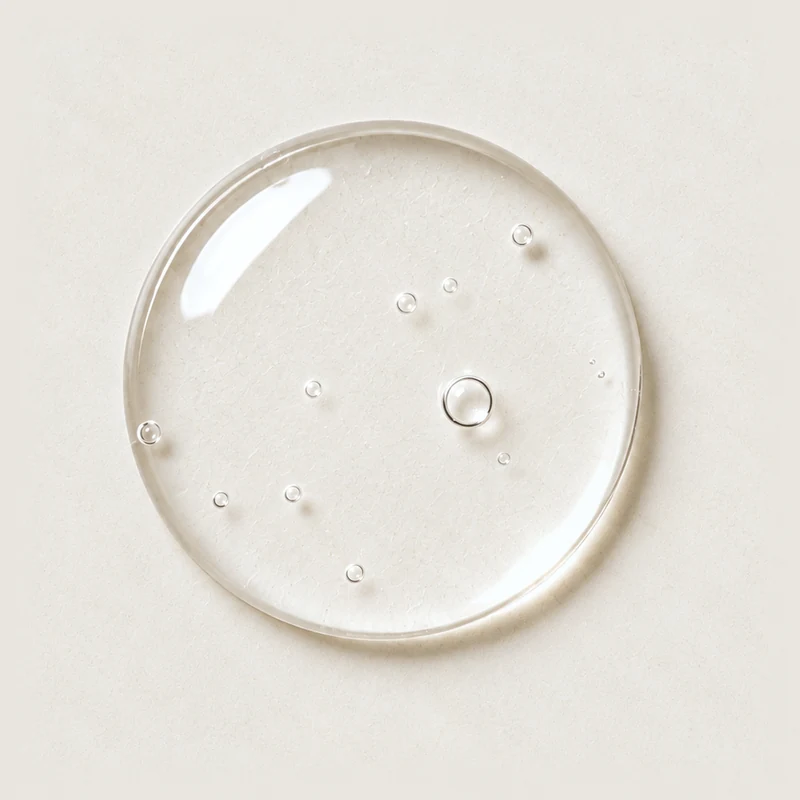
A clear or translucent water-based gel made with little or no oil.
Cool and bouncy, drying down quickly to a clean, non-greasy finish.
Oil-free moisturiser, Eye gel, Soothing aloe gel, Spot or blemish gel
What it is
A gel is water thickened with a polymer or gum so it holds its shape. It spreads into a thin, cooling layer that dries down quickly without shine. It suits oily or reactive skin, eye gels, spot products and soothing aloe-style gels.
Who it suits
Oily and combination skinTeenage skinHot, humid climates
Disodium EDTA or sodium phytate; phenoxyethanol or organic acids
Benefits and challenges
Benefits
Cooling, quick-drying feel.
Leaves no shine on oily skin.
Suits eye gels, spot gels and aloe gels.
Challenges
Little emollience for dry skin.
Carbomer gels are sensitive to salts and some actives.
Clear gels show bubbles, haze and colour change.
Shelf life
Unopened
24–36 months01236 months
After opening
6–12 months01224 months
Main risks are viscosity loss from salts, UV light or low pH, plus colour change and microbial growth.
Packaging
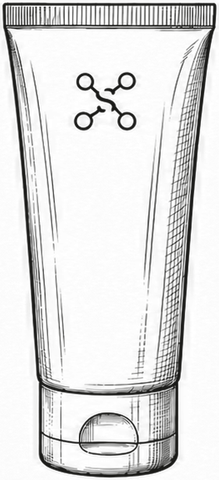
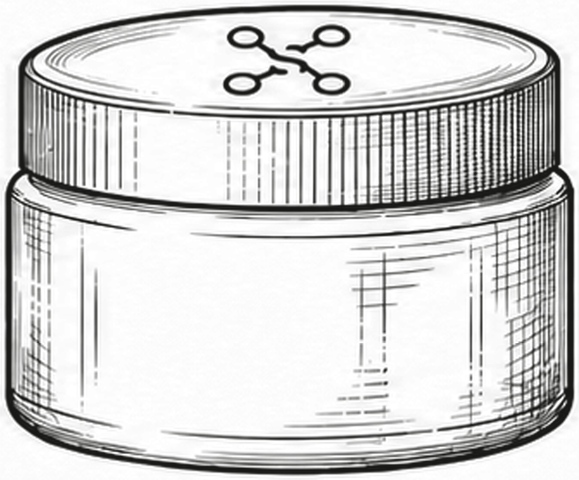
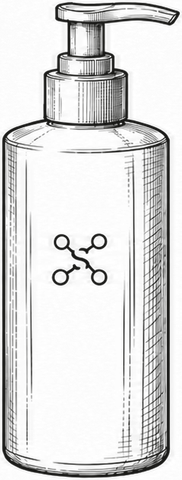
TubeJarPump bottleAirless pump
In the lab
How it is made
01Hydrate the polymerSprinkle into water and mix until fully swollen.
02Add water-soluble ingredientsHumectants, actives and solubilised fragrance.
03Neutralise to thickenRaise pH to build carbomer viscosity.
04De-aerate under vacuumRemove air so the gel stays clear.
cold fill · 25 °CTransfer and filling avoid drawing in air, which stays suspended in a clear gel, and thick gels need a piston filler.
Specifications
pH
pH 5.5–72 acid7 neutral10 alkaline
Viscosity at rest
5,000–50,000 mPa·swaterlotioncreambutterpaste
Batch sizes
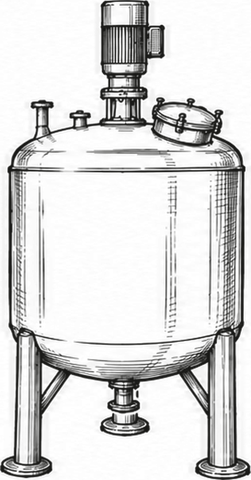
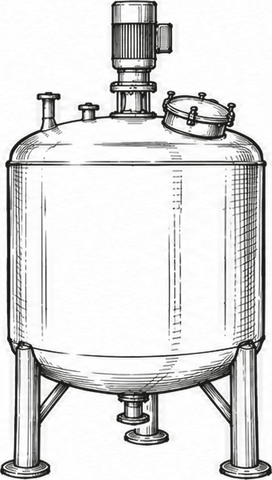
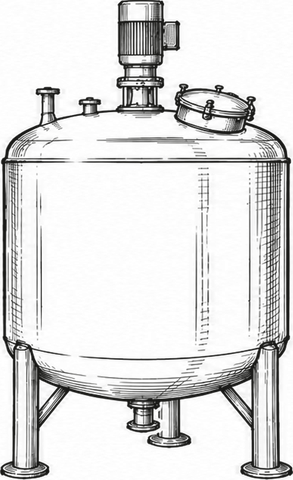
50 L pilot1,000 L5,000 L production
Lab notes
Preservation
Required, as water activity is high. Challenge test to ISO 11930.
Stability testing
Storage at 40–45 °C, freeze–thaw, UV and light exposure (carbomer gels can thin), and clarity, colour and viscosity over time.
Regulatory, Australia
Cosmetic for appearance and hydration claims; anti-acne gels stay cosmetic only when presented as controlling or preventing acne solely through cleansing, moisturising, exfoliating or drying the skin, with no Schedule 2, 3, 4 or 8 substances. Label ingredients under the Consumer Goods (Cosmetics) Information Standard 2020.