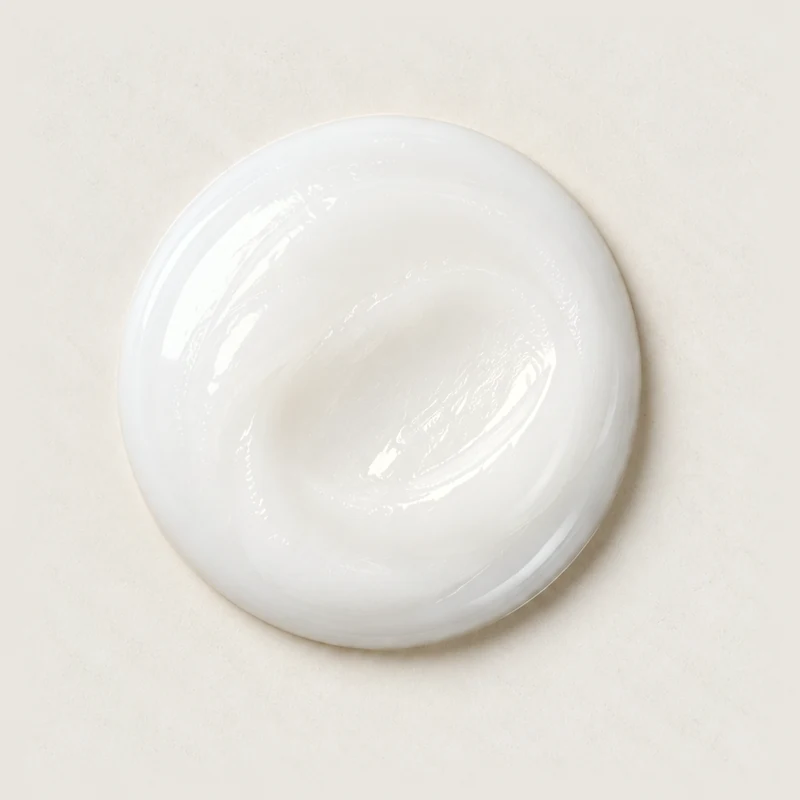
Gel-cream
Oil-in-water emulsionCold fill
A hybrid of gel and cream, with just a little oil for comfort.
Bouncy and fresh, breaking to a cool, watery feel and absorbing quickly.
What it is
A gel-cream is a low-oil emulsion held together mainly by gelling polymers rather than traditional waxy emulsifiers. It looks like a soft white or translucent cream but breaks into a watery feel on contact with skin. It suits lightweight day or night moisturisers.
Who it suits
Combination and oily skinWarm climates
Typical actives
What is in it
| Polymeric emulsifier or thickener | Acrylates/C10-30 alkyl acrylate crosspolymer, sodium polyacrylate, hydroxyethyl acrylate/sodium acryloyldimethyl taurate copolymer |
|---|---|
| Emollient | Squalane, light esters, dimethicone or silicone alternatives at about 3–15% |
| Humectant | Glycerin, propanediol, betaine |
| Preservative | Phenoxyethanol or organic acid systems |
Benefits and challenges
Benefits
- Light, fresh texture with some comfort.
- Low oil gives a non-greasy finish.
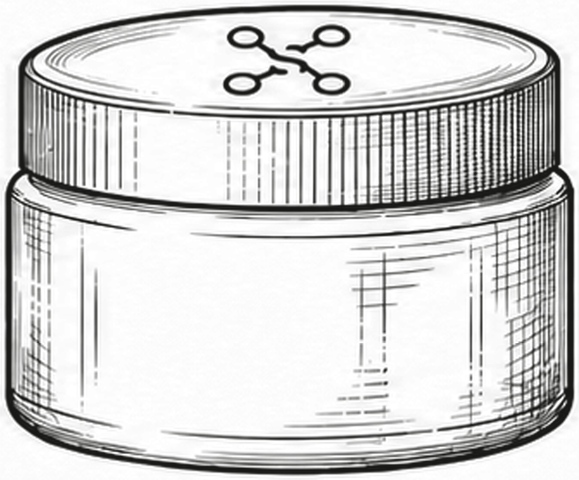
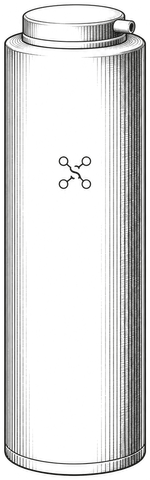
- Pumps well from airless packs.
Challenges
- Polymers can be sensitive to salts and some actives.
- Less rich than a cream for dry skin.
- Can pill under make-up at high polymer levels.
Shelf life
24–36 months01236 months
6–12 months01224 months
Main risks are viscosity loss with electrolytes, oil separation and microbial growth.
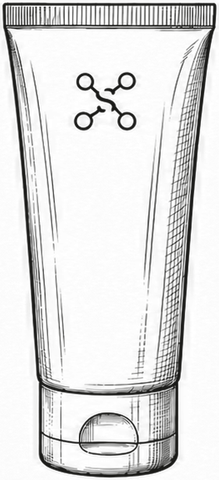
Packaging
In the labpH Viscosity at rest 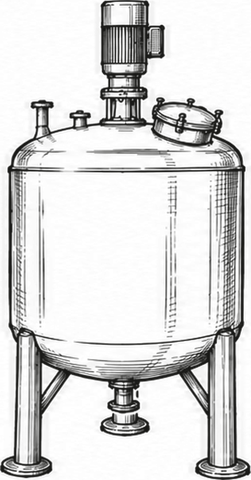
50 L pilot 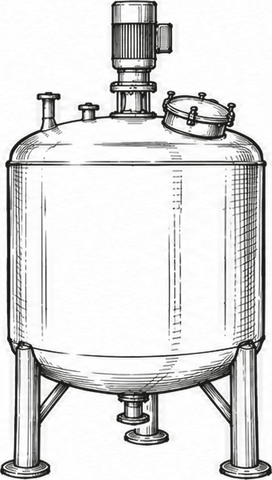
1,000 L 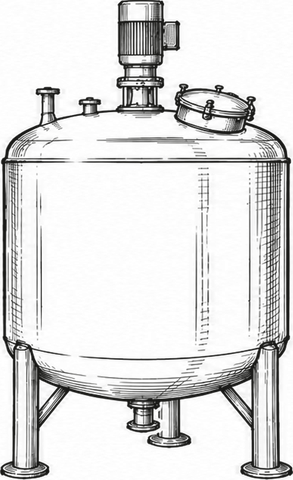
5,000 L production
How it is made
- 01Hydrate the polymerPolymeric emulsifier and humectants in water, usually cold.
- 02Heat if butters usedWarm both phases before emulsifying, as for a cream.
- 03Add the oil phaseHomogenise a small oil phase, then neutralise if needed.
- 04Finish under vacuumAdd actives, fragrance and preservative last.
cold fill · 25 °CThe shear-thinning texture pumps well from airless packs but can trap air, so fill speed and fill weights are controlled.
Specifications
pH 5–6.52 acid7 neutral10 alkaline
10,000–50,000 mPa·swaterlotioncreambutterpaste
Batch sizes
Lab notes
Preservation
Required, as water activity is high. Challenge test to ISO 11930.
Stability testing
Storage at 40–45 °C, freeze–thaw, centrifuge, viscosity with and without actives, and electrolyte tolerance.
Regulatory, Australia
Cosmetic for moisturising and appearance claims. Label ingredients under the Consumer Goods (Cosmetics) Information Standard 2020.