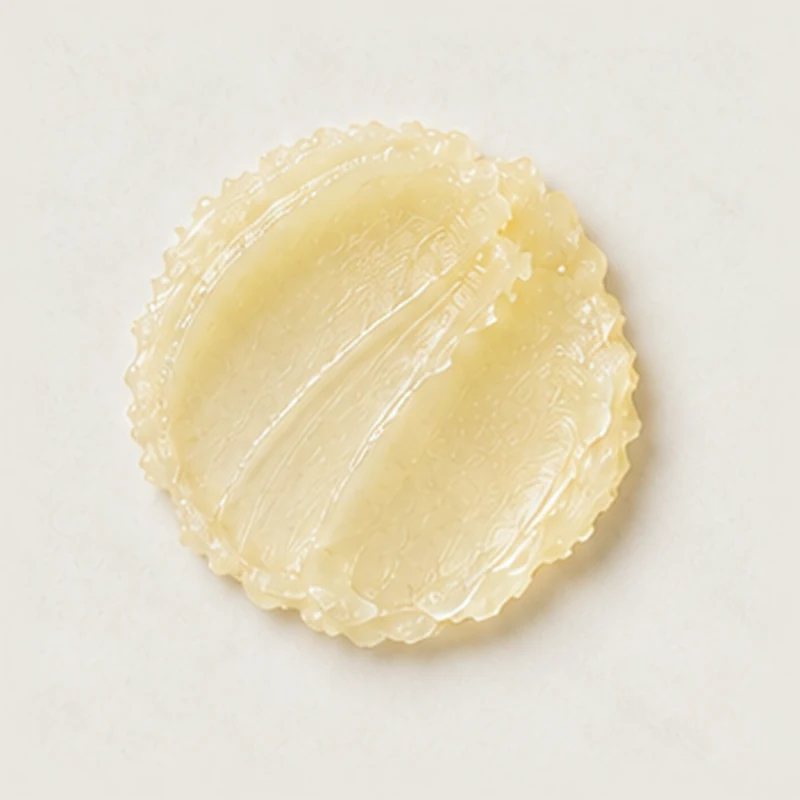
A solid or semi-solid blend of butters, waxes and oils that melts on contact with skin.
Firm in the pot, melting to a rich, cushioning layer that stays put.
Multi-purpose skin balm, Cuticle and elbow balm, Face balm for very dry skin, Solid perfume or travel balm
What it is
A balm contains no water: oils are thickened with waxes and butters so it holds its shape in a tin or jar. It warms and melts as it is applied, leaving a rich, protective layer on dry patches, cuticles and lips. Its small, solid format also suits travel and outdoor kits.
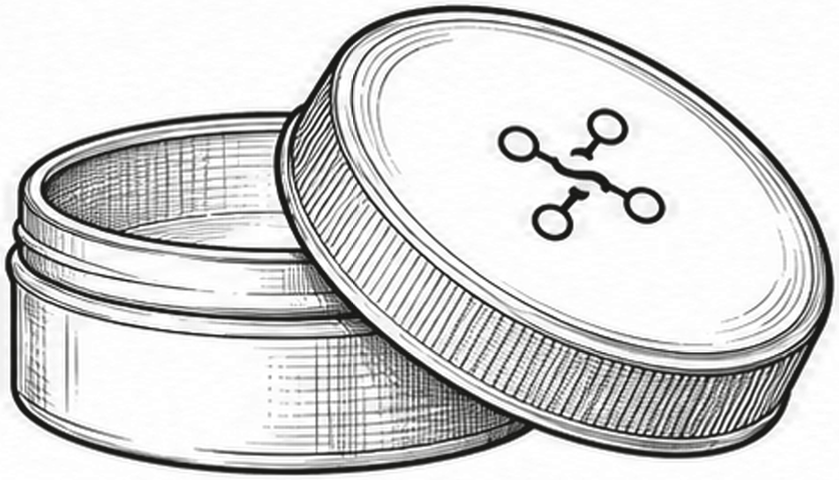
Suits plastic-free packs such as tins and paper tubes.
Challenges
Can soften or melt in hot transport and storage.
Butters can turn grainy if cooling is uncontrolled.
Heavy feel limits daytime face use.
Shelf life
Unopened
18–36 months01236 months
After opening
12–24 months01224 months
Limited by oil oxidation. Main risks are graininess, oil sweating, surface bloom and rancid odour.
Packaging
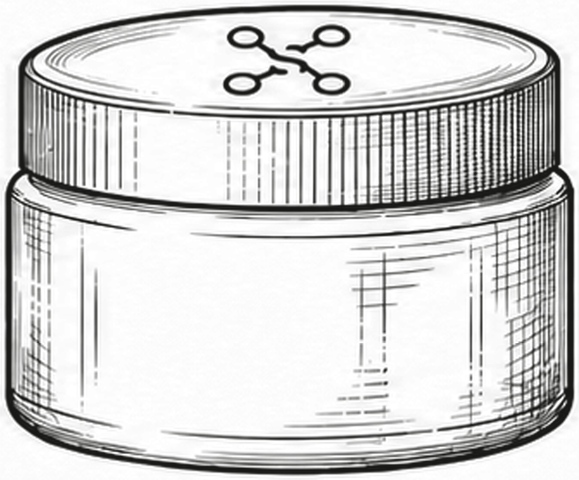
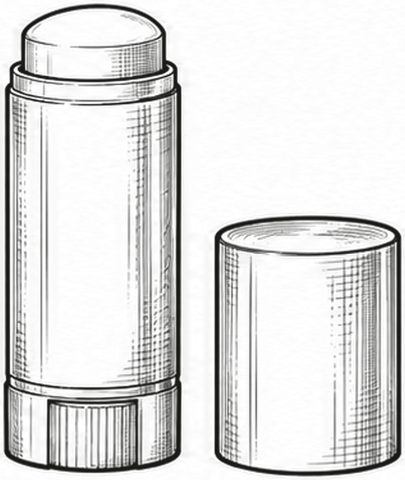
TinJarStick
In the lab
How it is made
01Melt waxes and buttersWith the oils at about 70–85 °C.
02Mix until uniformStir until fully melted and even.
03Add oil-soluble activesActives and fragrance go in after slight cooling.
04Pour hotFill into tins, jars or sticks.
05Cool under controlFast, even cooling limits grainy butters.
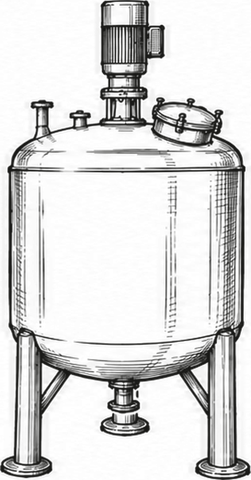
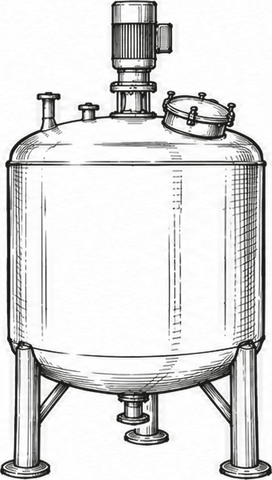
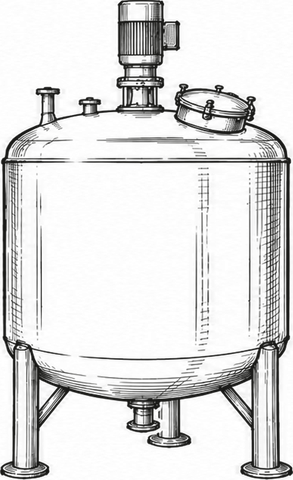
hot fill · 70 °CPoured from a heated, stirred holding tank and cooled in a tunnel, with surface finish and shrinkage checked after setting.
Specifications
Batch sizes
50 L pilot1,000 L5,000 L production
Lab notes
Preservation
Usually not needed if truly anhydrous; support with an ISO 29621 risk assessment. Antioxidant recommended.
Stability testing
Cycling between 5 °C and 40–45 °C for graininess and sweating, melting point, oxidation checks and transport heat simulation for Australian summers.
Regulatory, Australia
Cosmetic for moisturising and protecting claims; claims about wounds or skin conditions make it a therapeutic good. Label ingredients under the Consumer Goods (Cosmetics) Information Standard 2020.