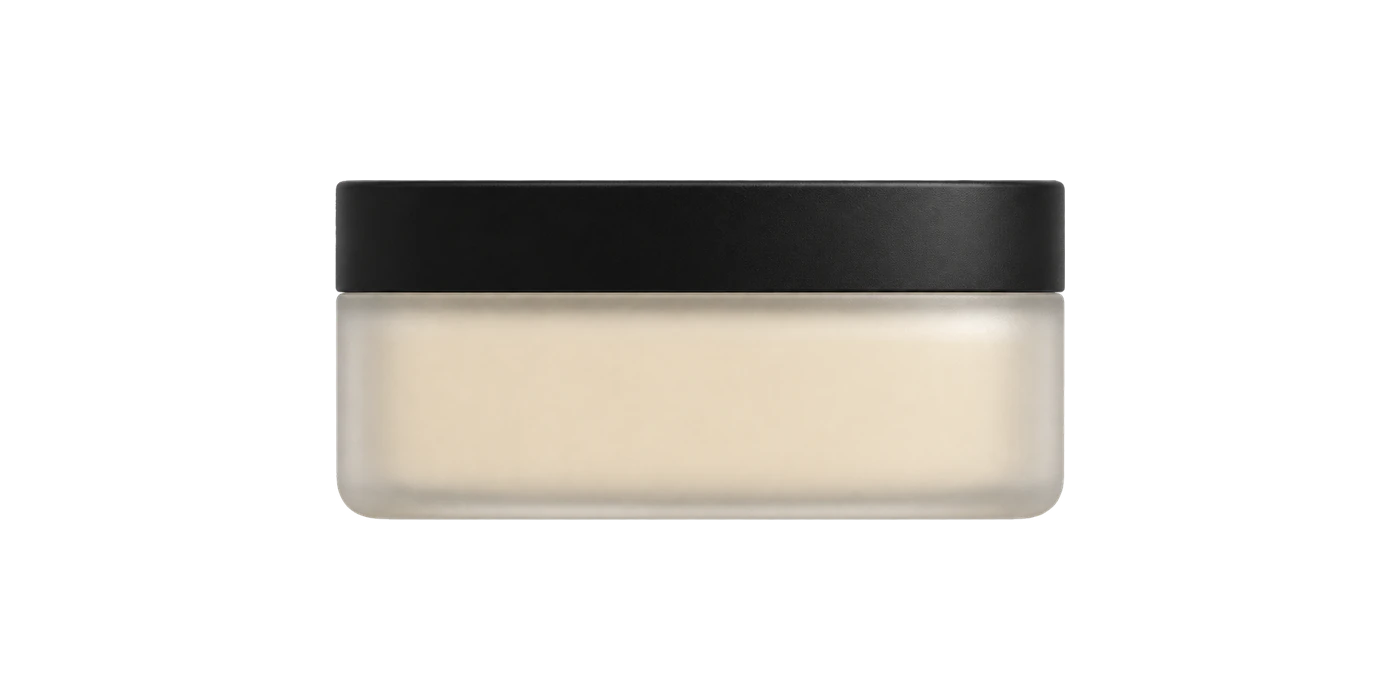
Shea butter
A rich, plant-based butter that softens and cushions dry skin and helps hold in moisture.
What it is
Shea butter is pressed from the nuts of the shea tree, which grows across West Africa's savanna belt. It melts at skin temperature, leaving a soft, protective layer that reduces water loss. It suits body butters, hand creams, lip balms and baby care, and shoppers know the name well.
Good for
How it works
Shea is mostly a blend of solid and liquid fats, chiefly stearic and oleic acids, with a small fraction of plant compounds such as triterpenes. Its film fills gaps between rough surface cells, so skin feels smoother. Unrefined grades keep more of these minor compounds and a nutty scent.
Ratings
Pairs and cautions
Pairs well with
In a routine. Pairing in one formula depends on matching pH windows.
Take care with
- None noted.
Formulations it suits
Packaging
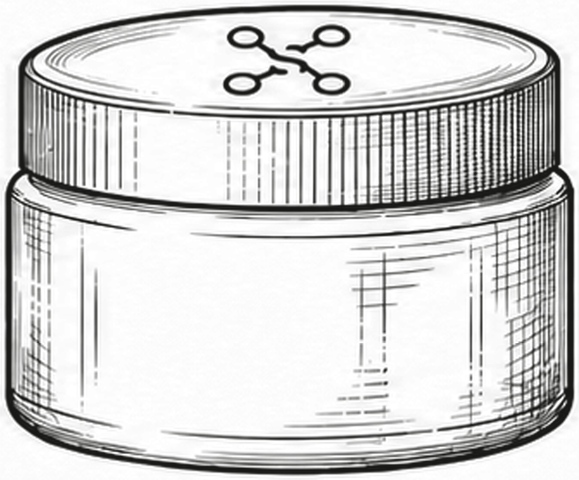
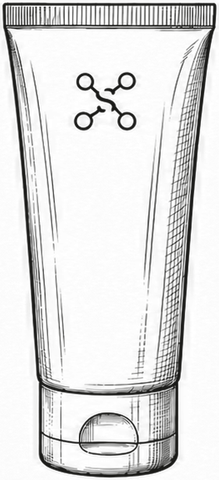
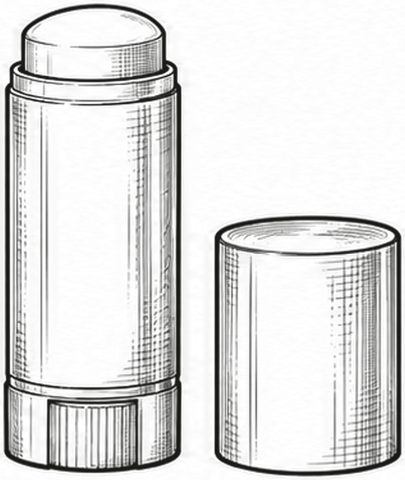
Regional considerations
| Australia | No scheduling or concentration limits, and none in the EU or ASEAN ingredient annexes either, so shea itself needs no market-specific reformulation. |
|---|---|
| Climate | Heat in transit or storage partly melts shea, and slow re-setting grows gritty crystals (bloom). Cool batches quickly, choose a low-bloom grade and heat-cycle test before shipping to hot markets. |
Specifications
Lotions use 2–5%, rich creams and body butters 10–25%, and water-free balms and sticks up to 100%.
| INCI | Butyrospermum Parkii (Shea) Butter |
|---|---|
| Also known as | Shea, Karité |
| Origin | plant-derived |
Lab notes
Solubility and phase
Stability
Regulatory, Australia
Claims to take care with
Sources
- pubmed.ncbi.nlm.nih.gov38166445
- ulprospector.ul.comPcc innovate with shea the impact of the oil phase and practical…
- globalshea.com10years
- legislation.gov.auF2026L00633/asmade/text
- ec.europa.euGrowth/tools databases/cosing/details/84401
- hsa.gov.sgAsean cosmetic directive
- ulprospector.ul.comUL Prospector 2026_AAK_final_v2