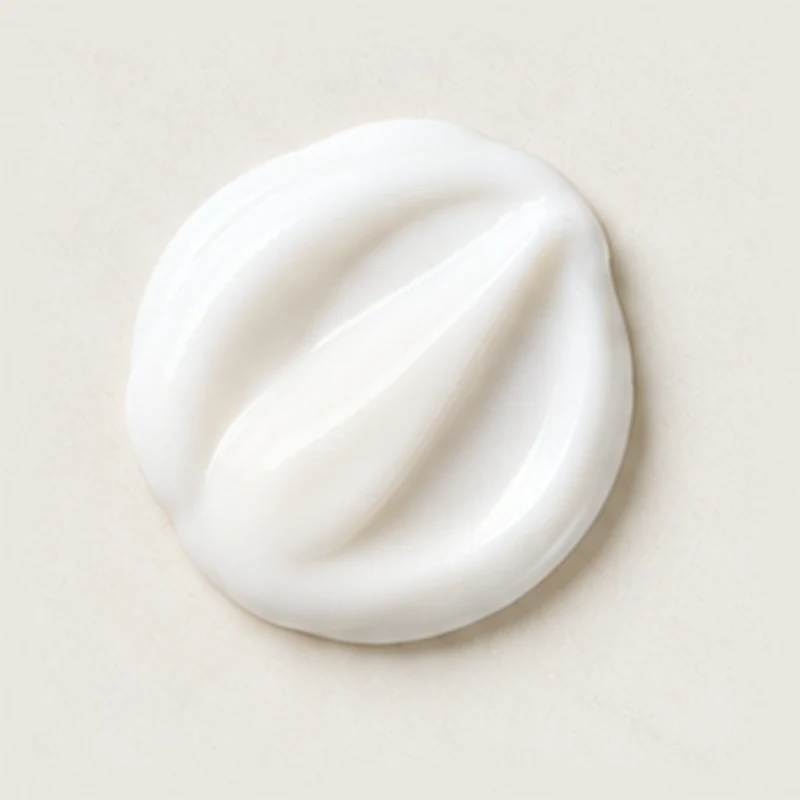
Conditioners and hair masks share one system: a cream made with positively charged conditioning agents that cling to hair as it is rinsed. Conditioner is used after every wash, while a mask carries more conditioning agents and oils and is left on longer. Both follow shampoo in the wash routine.
One base stretches from light conditioner to rich mask.
Well understood, robust system.
Challenges
Cooling rate and mixing set the final thickness.
Heavy versions can weigh down fine hair.
Cationic agents need care for eye and skin safety.
Shelf life
Unopened
24–36 months01236 months
After opening
12–24 months01224 months
Main risks are thickening or thinning over time, separation and microbial growth.
Packaging
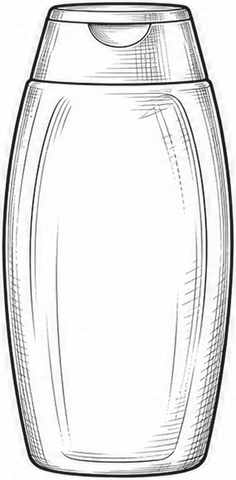
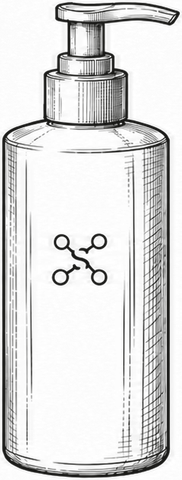
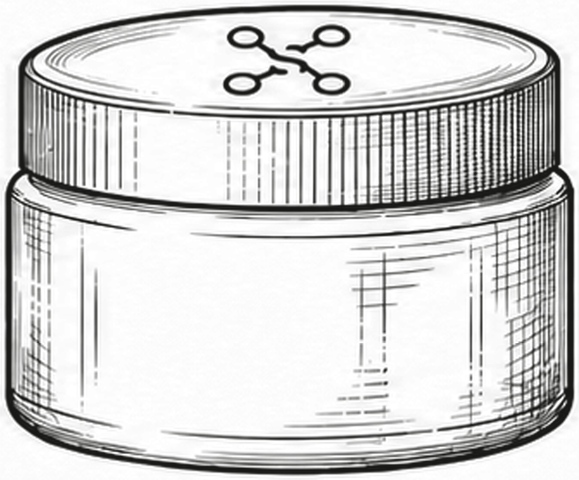
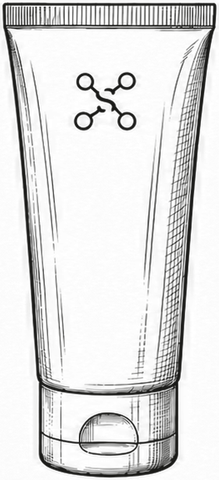
Squeeze bottlePump bottleJarTube
In the lab
How it is made
01Heat the waterTo about 70–80 °C.
02Add melted fatty phaseFatty alcohols with the cationic conditioning agent.
03Cool under controlForms the gel network that thickens it.
04Add oils and activesPlus fragrance and preservative during cooling.
05Set acidic pHWith citric or lactic acid.
cold fill · 25 °CConditioners suit bottles and pumps, while thick masks need a piston filler and jars or tubes.
Specifications
pH
pH 3.5–52 acid7 neutral10 alkaline
Viscosity at rest
5,000–150,000 mPa·swaterlotioncreambutterpaste
Batch sizes
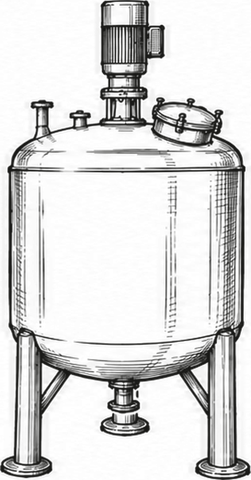
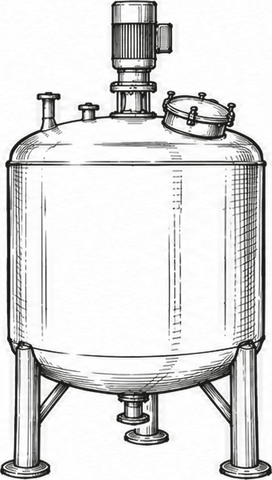
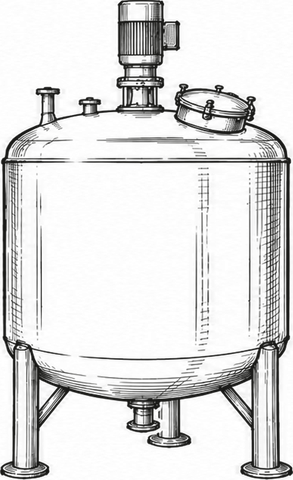
50 L pilot1,000 L5,000 L production
Lab notes
Preservation
Required; a broad-spectrum system validated by challenge test to ISO 11930.
Stability testing
Storage at 40–45 °C, freeze–thaw, centrifuge, and viscosity tracking over 3 months, because gel networks can keep building.
Regulatory, Australia
Cosmetic; claims about hair loss or scalp conditions move a product toward therapeutic regulation. Label ingredients under the Consumer Goods (Cosmetics) Information Standard 2020.