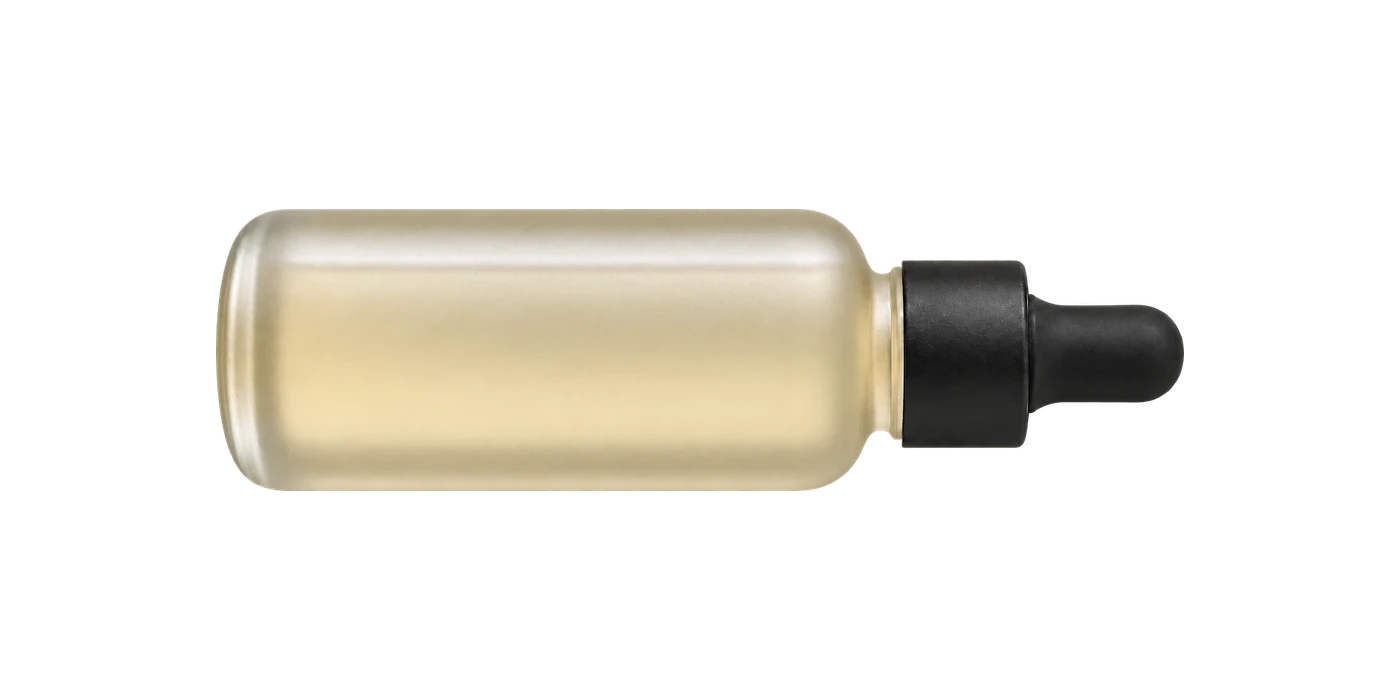
Argan oil
A silky Moroccan kernel oil used to soften skin, tame frizz and add shine to hair.
What it is
Argan oil is pressed from the kernels of the argan tree, which grows in south-west Morocco. It is rich in oleic and linoleic acids and in vitamin E, and it absorbs readily without a heavy feel. It is a familiar name in hair oils, conditioners and body care.
Good for
How it works
As an emollient, argan oil coats the hair surface, smoothing the cuticle so hair combs more easily, looks shinier and frizzes less. On skin it forms a light film that softens and reduces water loss. One small 60-day trial in postmenopausal women reported better skin elasticity, but evidence beyond emollient effects is limited.
Ratings
Pairs and cautions
Pairs well with
In a routine. Pairing in one formula depends on matching pH windows.
Take care with
- Unverified bulk supplyAdulteration risk
Formulations it suits
Packaging
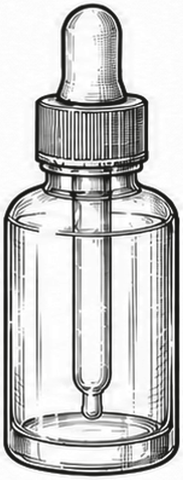
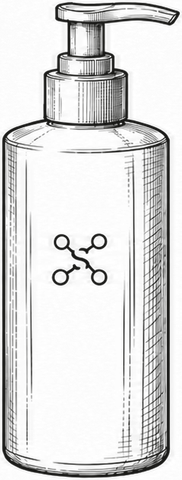
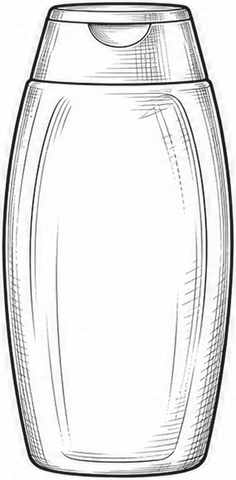
Regional considerations
| Australia | No scheduling or concentration limits. Macadamia oil is the usual Australian-grown alternative where a local-ingredient claim is wanted. |
|---|---|
| Climate | Heat speeds rancidity: cosmetic argan oil lost quality quickly at 40°C in a one-year study, and even at 25°C use within 6 months is advised. Use opaque packs and fresh lots for hot markets. |
Specifications
Creams and lotions use 1–5%, while hair and body oils use it at up to 100%.
| INCI | Argania Spinosa Kernel Oil |
|---|---|
| Also known as | Moroccan argan oil, Argania spinosa |
| Origin | plant-derived |