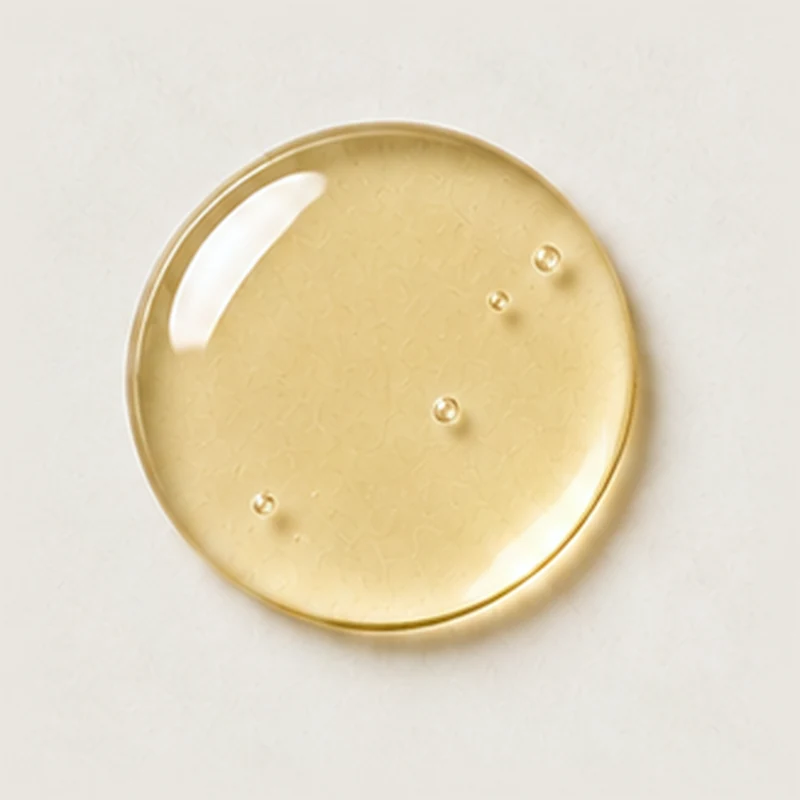
Hair oil or serum
AnhydrousCold fill
A leave-in oil or silicone blend that smooths frizz, adds shine and helps protect ends.
Silky and slippery, leaving hair glossy without stiffness.
What it is
Hair oils and serums are waterless blends of plant oils, esters or silicones applied in a few drops to damp or dry hair. They coat the hair surface to reduce frizz and add shine, and some oils also condition the fibre. They work well as a finishing step after heat styling.
Who it suits
Dry hairCurly hairColoured hair
Typical actives
What is in it
| Silicone or alternative | Dimethicone, amodimethicone; or C13-15 alkane, coco-caprylate |
|---|---|
| Plant oil | Argan, coconut, camellia or macadamia oil |
| Antioxidant | Tocopherol |
| Fragrance | Fragrance or essential oils |
Benefits and challenges
Benefits
- A few drops go a long way.
- Waterless, low microbial risk.
- Works on damp or dry hair.
Challenges
- Can weigh down fine hair.
- Plant oils oxidise over time.
- Some cyclic silicones are restricted in the EU.
Shelf life
18–36 months01236 months
12–18 months01224 months
Silicone-rich blends last longer than plant-oil blends. Main risks are oxidation, haze and odour change.
Packaging
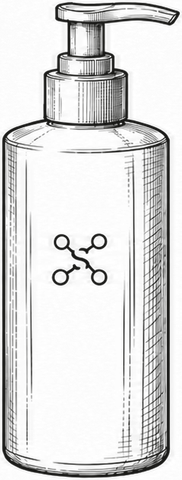
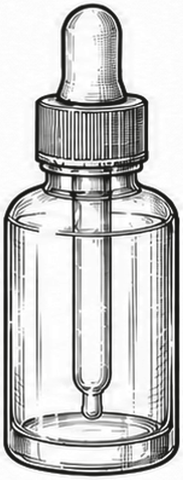
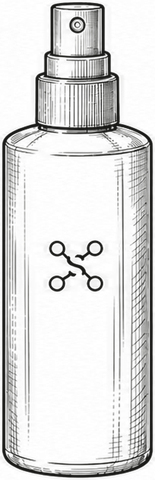
In the labViscosity at rest 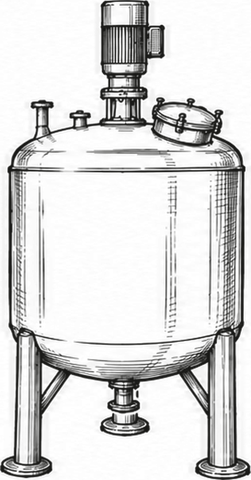
50 L pilot 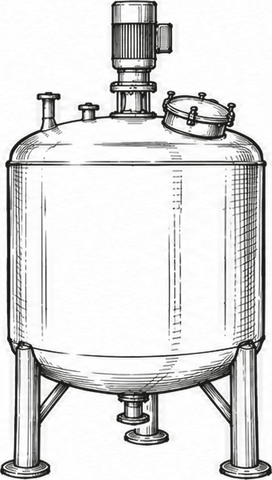
1,000 L 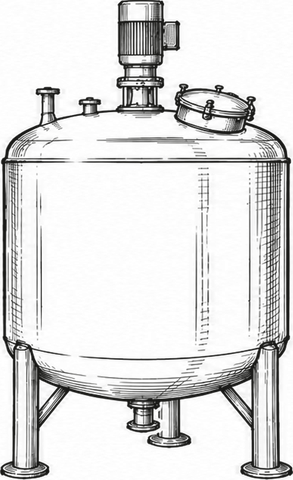
5,000 L production
How it is made
- 01Blend oils and siliconesAt room temperature until clear; warm solid oils first.
- 02Add antioxidantTocopherol goes in early to protect the oils.
- 03Add fragranceMix until uniform.
- 04Filter and fillNo emulsifying needed.
cold fill · 25 °CPumps and seals are checked for compatibility with silicones and oils.
Specifications
10–500 mPa·swaterlotioncreambutterpaste
Batch sizes
Lab notes
Preservation
Usually not needed if anhydrous; support with an ISO 29621 risk assessment.
Stability testing
Oxidation checks, storage at 40–45 °C, clarity at low temperature and pack compatibility.
Regulatory, Australia
Cosmetic; heat-protection claims should be supported by testing. Label ingredients under the Consumer Goods (Cosmetics) Information Standard 2020.