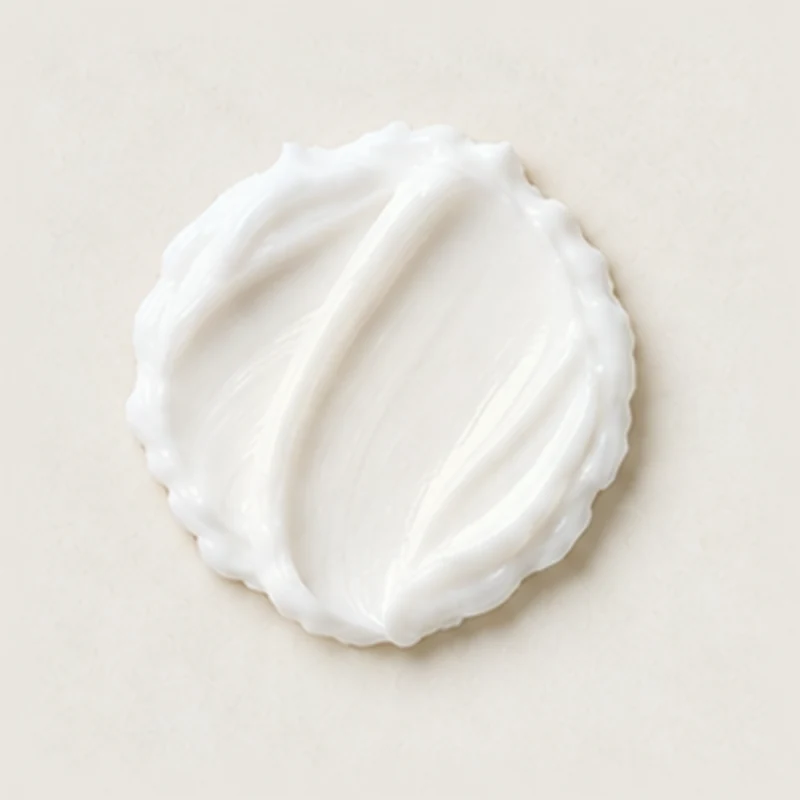
A thick, spoonable moisturiser of oil droplets held in water, the everyday workhorse of skin care.
Soft and cushioning, absorbing over a minute or two to a supple finish.
Day and night moisturiser, Barrier-support cream, Neck and décolletage cream, Base for treatment creams
What it is
A cream is an emulsion: tiny drops of oil spread evenly through water and held there by emulsifiers. It spreads with light pressure and leaves skin soft without a heavy film. Textures run from light day creams to richer night creams, with water-in-oil versions for very dry skin.
Phenoxyethanol with ethylhexylglycerin, or sodium benzoate with potassium sorbate
Benefits and challenges
Benefits
Familiar, versatile format that suits most actives.
Texture can be tuned from light to rich.
Suits jars, tubes, pumps and airless packs.
Challenges
Needs a robust preservative system.
Jars expose the product to air and fingers.
Emulsion stability needs time-based testing.
Shelf life
Unopened
24–36 months01236 months
After opening
6–12 months01224 months
Main risks are separation, viscosity drift, microbial growth and oxidation of oils or actives.
Packaging
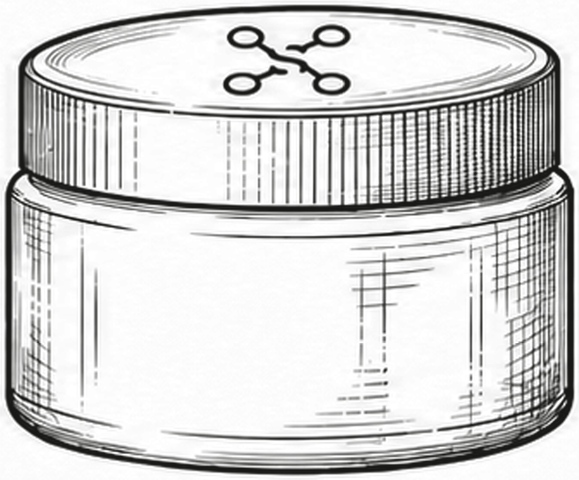
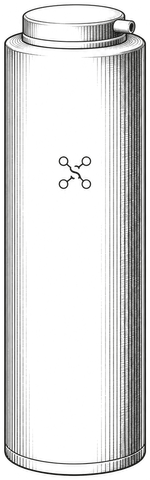
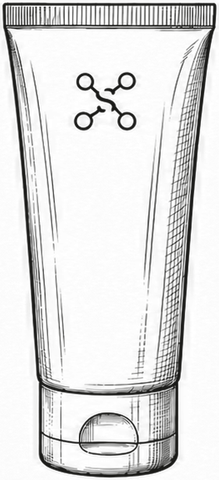
JarAirless pumpTubePump bottle
In the lab
How it is made
01Heat both phasesWater and oil heated separately to 70–80 °C.
02Emulsify under vacuumOil added to water under high-shear homogenising.
03Cool with sweep mixingSlow mixing down to about 40 °C.
04Add heat-sensitive ingredientsActives, fragrance and preservative go in below 40 °C.
05Adjust and releaseSet pH and check viscosity before release.
cold fill · 25 °CThick creams go through a piston filler, with priming checks for airless packs and fill-height control for jars.
Specifications
pH
pH 4.5–6.52 acid7 neutral10 alkaline
Viscosity at rest
20,000–100,000 mPa·swaterlotioncreambutterpaste
Batch sizes
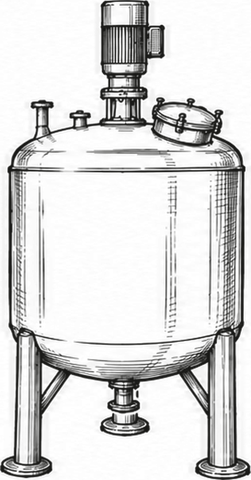
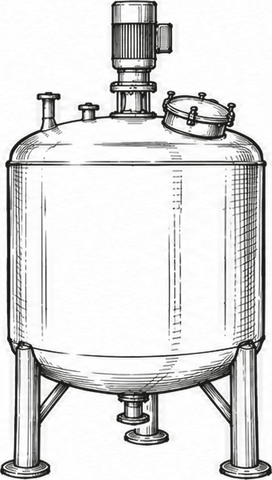
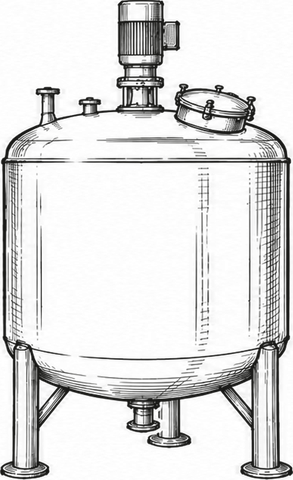
50 L pilot1,000 L5,000 L production
Lab notes
Preservation
Required; a broad-spectrum system validated by challenge test to ISO 11930. Airless packs lower in-use risk.
Stability testing
Accelerated storage at 40–45 °C for up to 3 months with room-temperature and 4 °C controls, plus freeze–thaw cycling, centrifuge, light exposure and pack compatibility.
Regulatory, Australia
Cosmetic when claims stay with moisturising and appearance; with SPF 15 or less, a pack of 300 mL or 300 g or less, no water-resistance claim and the Excluded Goods Determination's other conditions met (including broad-spectrum testing to AS/NZS 2604:2021), it can remain a cosmetic; otherwise, including above SPF 15, it is a therapeutic sunscreen. Label ingredients under the Consumer Goods (Cosmetics) Information Standard 2020.