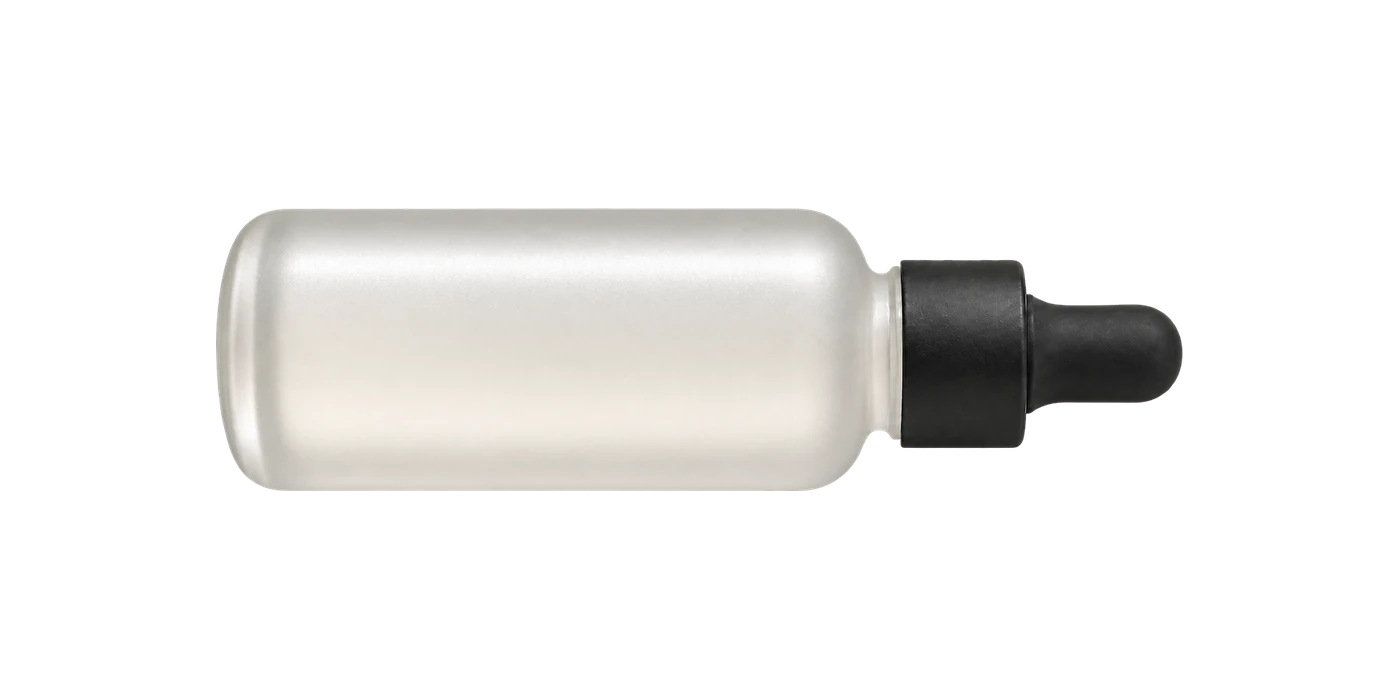
Panthenol
A soothing provitamin that helps skin hold moisture and feel comfortable, in almost any product type.
What it is
Panthenol is the provitamin form of vitamin B5 and a long-established moisturising ingredient. It draws in moisture and helps skin feel softer, smoother and more comfortable. It is gentle enough for sensitive and baby skin and appears across creams, serums and cleansers.
Good for
How it works
Panthenol is a humectant that attracts water into the upper layers of the skin. Once absorbed it is converted to pantothenic acid (vitamin B5), which is thought to help skin make its own moisture-holding lipids.
Ratings
Pairs and cautions
Pairs well with
In a routine. Pairing in one formula depends on matching pH windows.
Take care with
- Strongly acidic or alkaline basesIt hydrolyses
Formulations it suits
Packaging
Regional considerations
| Australia | Panthenol (D and DL forms) is AIIC-listed and not scheduled in the Poisons Standard, so Australia sets no strength limit. |
|---|---|
| China | 'Repair' and 'nourishing' claims, common for panthenol products, need a human efficacy test before the product is filed; hair-only claims may instead be tested on hair tresses. |
Specifications
1–5% in skincare, with everyday moisturisers at 1–2%; hair products use 0.1–0.5% in leave-ons and up to 5% in shampoos and rinse-off conditioners.
| INCI | Panthenol |
|---|---|
| Also known as | Provitamin B5, Dexpanthenol, D-panthenol |
| Origin | synthetic |