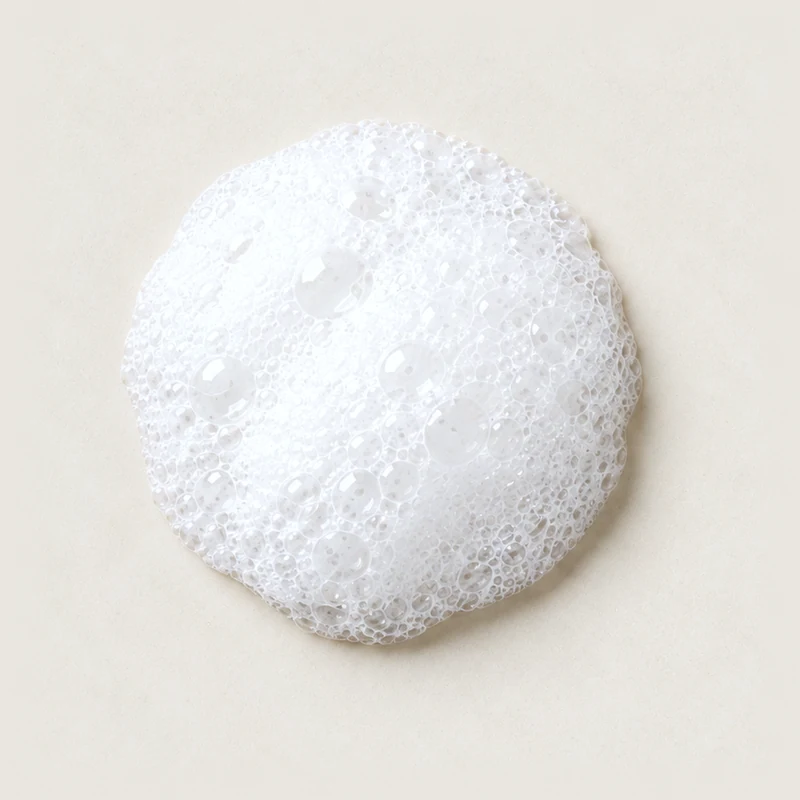
A rinse-off face wash of mild surfactants that lathers to lift oil, sunscreen and make-up.
Slippery gel or airy foam that rinses clean without a tight feel.
Daily face wash, Pump-foam cleanser, Clarifying gel cleanser, Men's face wash
What it is
Clear cleansing gels and pump-foam cleansers share one surfactant base at different thicknesses. Gel cleansers come from a tube or pump and lather in wet hands; foam cleansers are thinner liquids that a foaming pump turns into ready-made foam. Both suit everyday morning and evening cleansing.
Viscosity can drift with pH, salt and temperature.
Needs a robust preservative system.
Shelf life
Unopened
24–36 months01236 months
After opening
12–18 months01224 months
Main risks are viscosity drift, loss of clarity, colour change and microbial growth.
Packaging
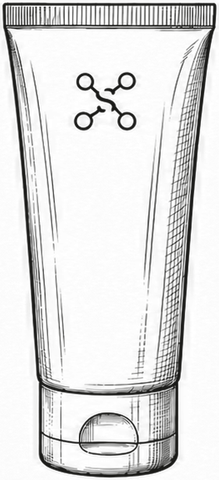
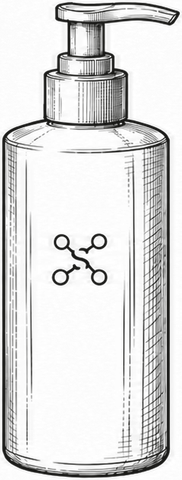
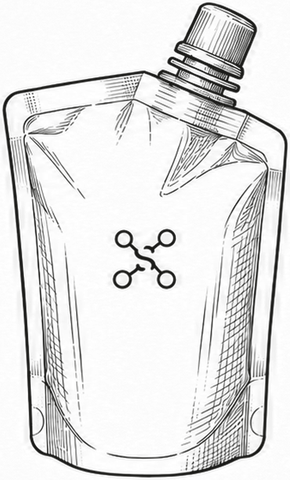
TubePump bottlePouch
In the lab
How it is made
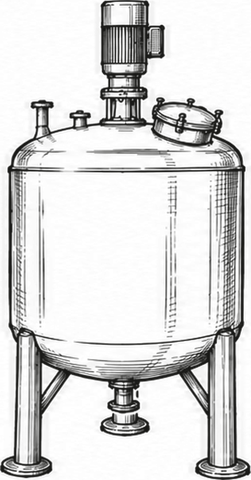
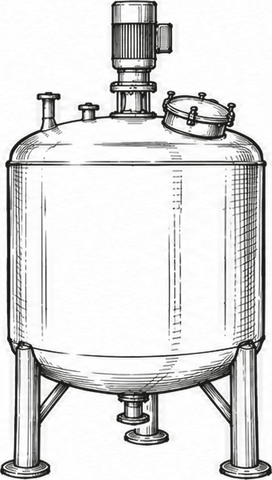
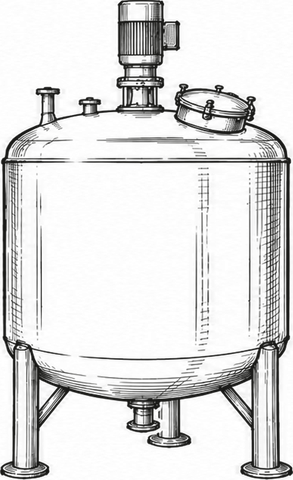
01Blend surfactantsInto water with low-shear mixing.
02Add humectants and activesPlus a preservative suited to the pH.
03Set the pHMatched to the surfactants and preservative.
04Build viscositySalt or polymer; skipped for foaming pumps.
cold fill · 25 °CA liquid filler runs at speeds that do not whip up foam, and foaming pumps are checked for foam quality.
Specifications
pH
pH 5–6.52 acid7 neutral10 alkaline
Viscosity at rest
20–12,000 mPa·swaterlotioncreambutterpaste
Batch sizes
50 L pilot1,000 L5,000 L production
Lab notes
Preservation
Required, with a preservative suited to the pH. Challenge test to ISO 11930.
Stability testing
Storage at 40–45 °C and 4 °C, freeze–thaw, clarity, viscosity and pH tracking, and foaming-pump performance over time.
Regulatory, Australia
Cosmetic for cleansing claims; anti-acne cleansers stay cosmetic only when presented as controlling or preventing acne solely through cleansing, moisturising, exfoliating or drying the skin, and contain no substance in Schedules 2, 3, 4 or 8 of the Poisons Standard. Label ingredients under the Consumer Goods (Cosmetics) Information Standard 2020.