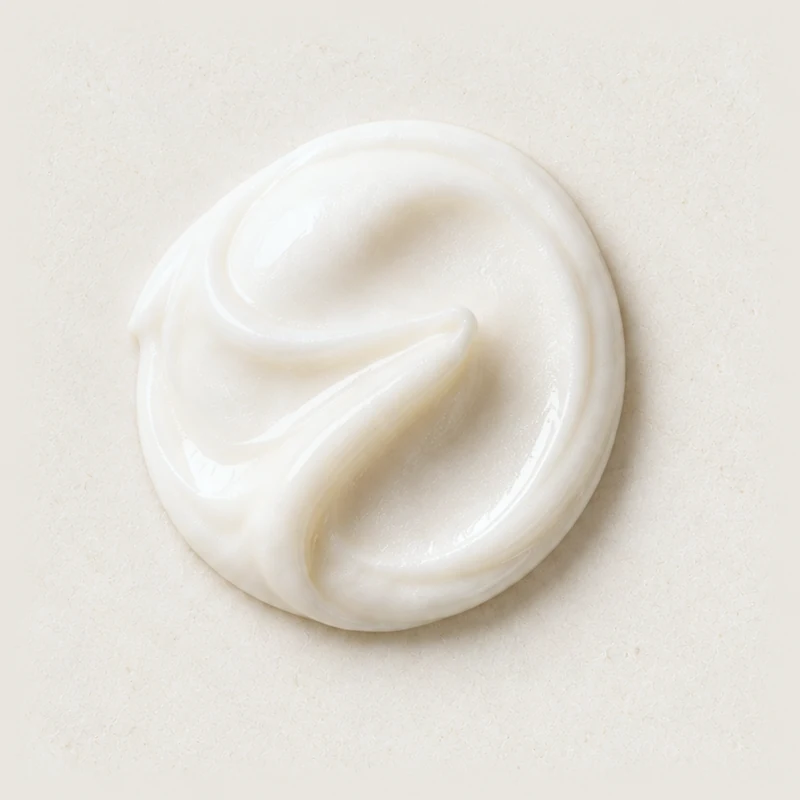
A cream, usually in a tube, made to moisturise hands that are washed often.
Rich at first, absorbing quickly to a soft, non-greasy finish.
Everyday hand cream, Intensive barrier hand cream, Hand and nail cream, Fragrance-led hand cream
What it is
Hand cream is an emulsion tuned to absorb quickly and leave hands dry to the touch, so people can get straight back to work or their phone. Humectants and a light barrier help hands that are washed or sanitised often. Small tubes suit bags, travel and gifting.
Quick absorption and barrier feel pull against each other.
Aluminium tubes need lacquer compatibility checks.
Fragrance-led versions need allergen care.
Shelf life
Unopened
24–36 months01236 months
After opening
12–18 months01224 months
Main risks are separation, viscosity change and fragrance change.
Packaging
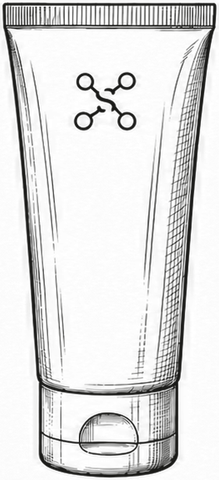
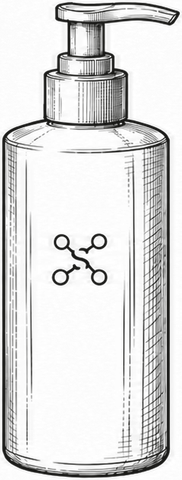
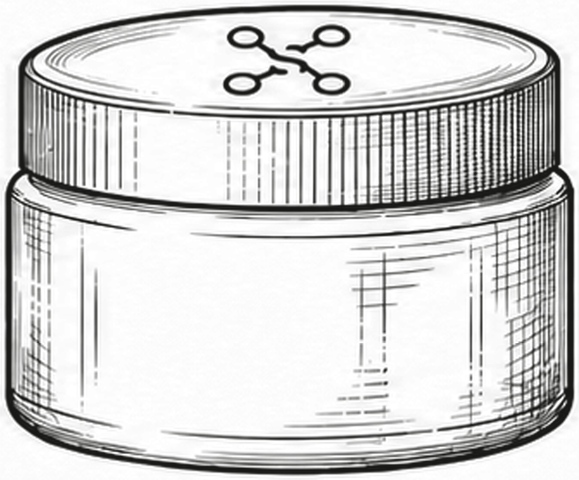
TubePump bottleTinJar
In the lab
How it is made
01Heat both phasesWater and oil phases to about 70–80 °C.
02Emulsify under vacuumHomogenise the oil phase into water.
03Cool with sweep mixingSlow mixing down to about 40 °C.
04Add finishing ingredientsDimethicone, powders, fragrance and preservative.
05Check skin feelQuick absorption with no greasy residue.
cold fill · 25 °CTubes are filled from the open end, then crimped if aluminium or heat-sealed if plastic, with fill weight held steady across sizes.
Specifications
pH
pH 5–6.52 acid7 neutral10 alkaline
Viscosity at rest
20,000–60,000 mPa·swaterlotioncreambutterpaste
Batch sizes
50 L pilot1,000 L5,000 L production
Lab notes
Preservation
Required; a broad-spectrum system validated by challenge test to ISO 11930.
Stability testing
Storage at 40–45 °C, freeze–thaw, tube compatibility (aluminium tubes need lacquer checks) and fragrance stability.
Regulatory, Australia
Cosmetic for moisturising claims; claims about skin conditions make it a therapeutic good. Antibacterial versions are excluded only if they contain no Schedule 2, 3, 4 or 8 substance and are presented as active against bacteria only, with no disease, named-pathogen or medical-use claims. Label ingredients under the Consumer Goods (Cosmetics) Information Standard 2020.