An underarm stick that controls odour, or sweat for antiperspirants, poured hot into a twist-up or paper tube.
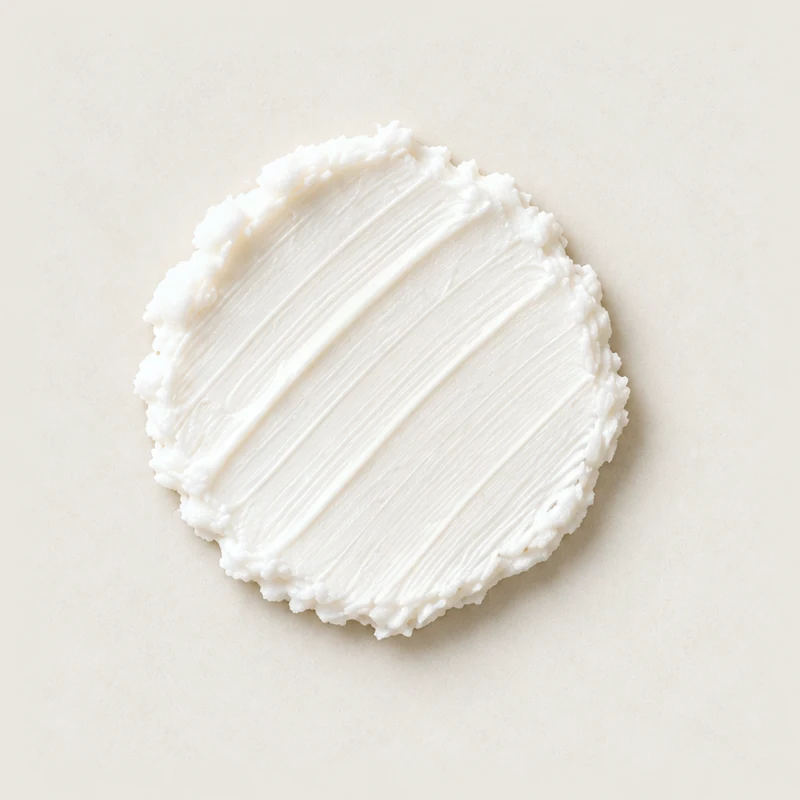
Smooth glide, drying to a soft, powdery finish.
Natural deodorant stick, Antiperspirant stick, Deodorant cream or paste
What it is
Deodorants reduce underarm odour; antiperspirants also reduce sweat using aluminium salts. Sticks are waterless blends of waxes, oils and powders that glide on. Aluminium-free sticks control odour without acting as antiperspirants. Roll-ons are water-based gels or emulsions made as a separate build.
Main risks are hardness change, sweating, powder settling, fragrance loss and roll-on leakage.
Packaging
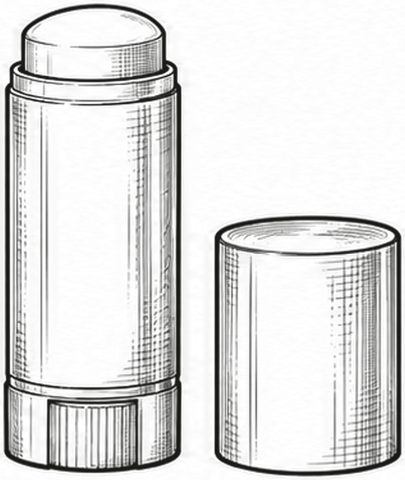
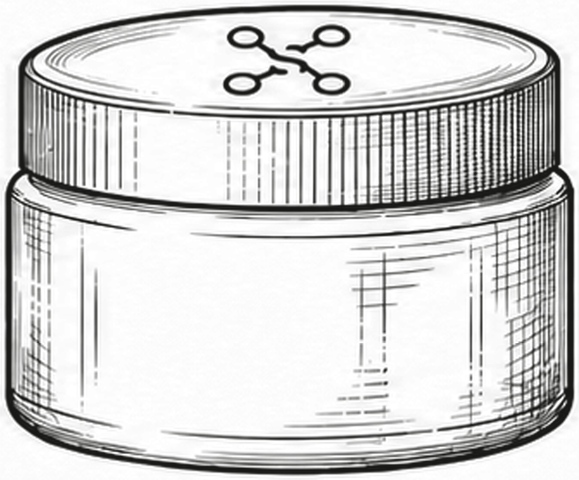
StickJar
In the lab
How it is made
01Melt waxes and oilsAt about 70–85 °C for sticks.
02Disperse powders and activesGood mixing keeps powders evenly spread.
03Add fragranceAfter slight cooling.
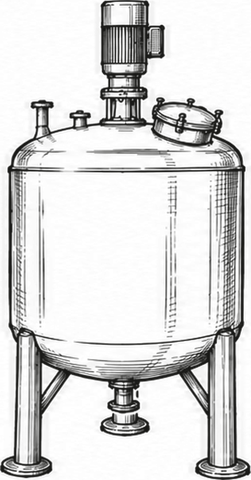
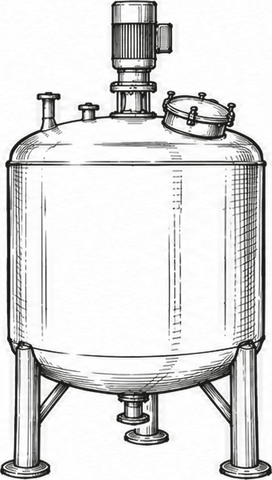
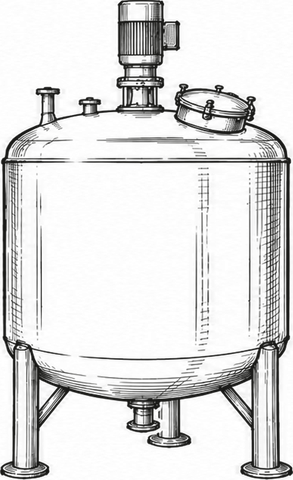
04Pour hot into barrelsFrom a stirred tank, then cool.
hot fill · 75 °CSticks are poured from a stirred holding tank to keep powders suspended.
Specifications
Batch sizes
50 L pilot1,000 L5,000 L production
Lab notes
Preservation
Anhydrous sticks are usually unpreserved with an ISO 29621 risk assessment.
Stability testing
Heat cycling, stick break and payout, powder settling and fragrance stability.
Regulatory, Australia
Deodorants for skin use are declared not to be therapeutic goods. Antiperspirants that work only through inorganic aluminium, zinc or zirconium salts are excluded from TGA regulation; medicated antiperspirants with other actives are likely therapeutic goods.