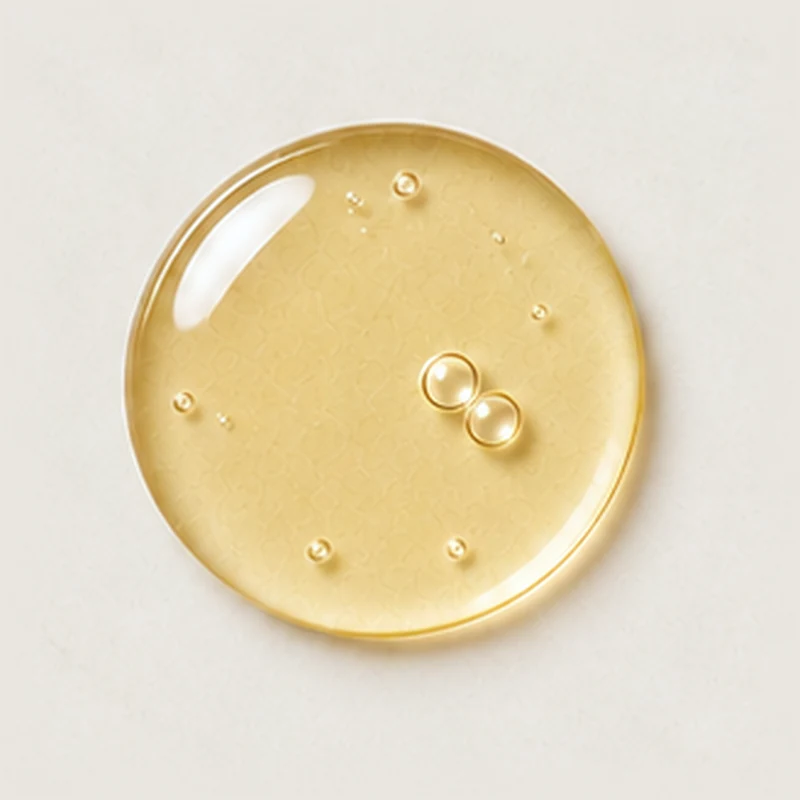
A light oil blend for body massage or the bath, sometimes made to disperse into bathwater.
Silky and slippery, leaving a soft sheen; dispersing types feel lighter in the bath.
Body oil, Dispersing bath oil, Massage oil, Pregnancy body oil
What it is
Body oils are waterless blends of plant oils and light esters applied to damp skin after bathing. Bath oils are similar but either float on the water or include an emulsifier so the bath turns milky. Both suit relaxation and massage.
Limited by oxidation. Main risks are rancid odour, haze and colour change.
Packaging
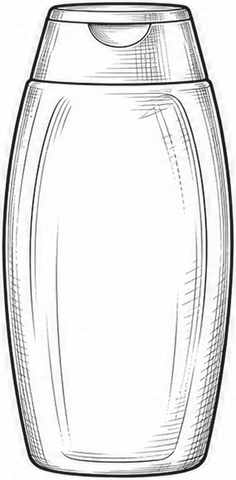
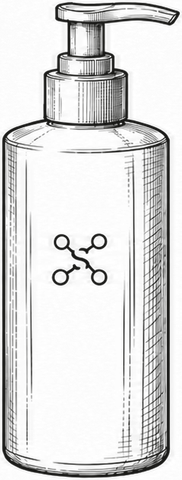
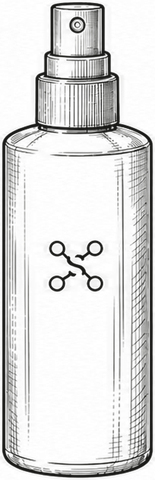
BottlePump bottleSpray bottle
In the lab
How it is made
01Blend oils and estersAt room temperature.
02Add emulsifier (bath oils)So the oil disperses in water.
03Add antioxidant and fragranceTocopherol and essential oils within IFRA limits.
04Filter and fillPolish filter for clarity.
cold fill · 25 °CUses a liquid filler, with pumps and seals checked for tolerance to oils and essential oils.
Specifications
Viscosity at rest
20–100 mPa·swaterlotioncreambutterpaste
Batch sizes
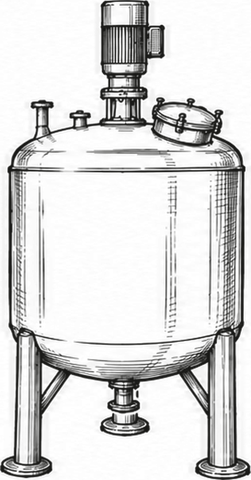
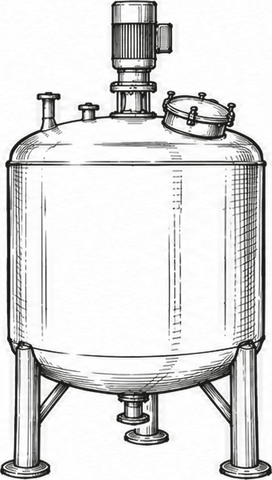
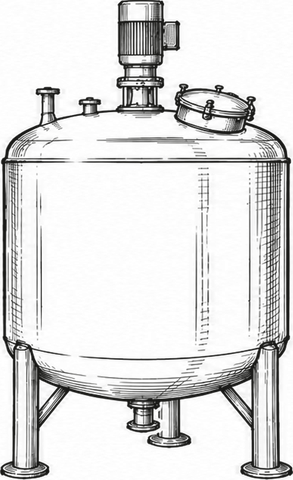
50 L pilot1,000 L5,000 L production
Lab notes
Preservation
Usually not needed if anhydrous; support with an ISO 29621 risk assessment. Antioxidant recommended.
Stability testing
Oxidation checks, storage at 40–45 °C, clarity at low temperature, and a dispersion test in water for bath oils.
Regulatory, Australia
Cosmetic, and a slip warning is advisable on bath oils. Claims to treat or relieve a skin disease or condition, such as eczema or psoriasis, make it a therapeutic good.