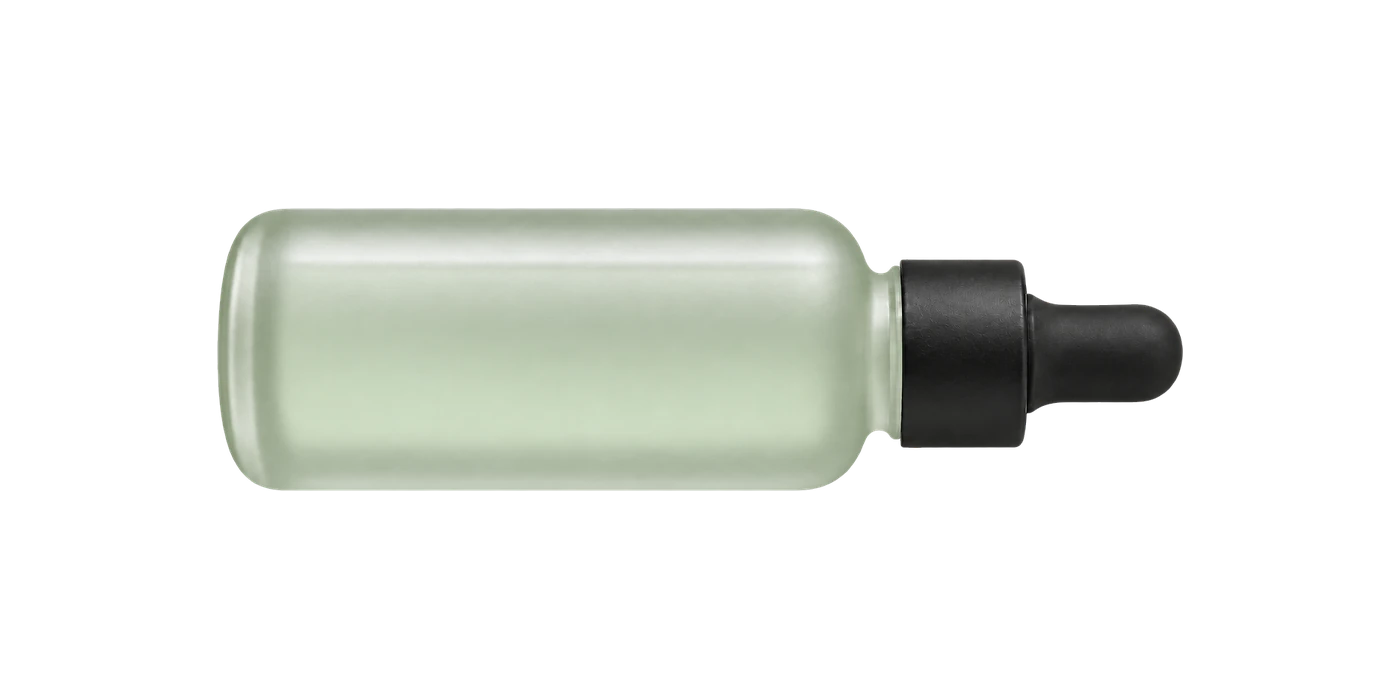
Aloe vera
The clear inner-leaf gel of the aloe plant, used to hydrate, cool and refresh skin, especially after sun.
What it is
Aloe vera juice comes from the gel inside the leaves of Aloe barbadensis, purified and often concentrated. Its water-binding sugars help skin feel hydrated and cool, with a light, non-greasy finish. It is a familiar name in after-sun gels, body lotions, baby products and hair care.
Good for
How it works
Aloe gel is almost entirely water plus polysaccharides such as acemannan, which hold water on the skin and leave a light, cooling film. It also carries small amounts of vitamins, amino acids and plant compounds that may calm the look of redness.
Ratings
Pairs and cautions
Pairs well with
In a routine. Pairing in one formula depends on matching pH windows.
Take care with
- None noted.
Formulations it suits
Packaging
Regional considerations
| Australia | After-sun gels stay cosmetics if they claim to cool and moisturise; claims to treat or relieve sunburn or burns make them therapeutic goods that must be on the ARTG. |
|---|---|
| United States | California's Prop 65 lists non-decolorised whole-leaf aloe extract as a carcinogen, so use inner-leaf gel or decolorised juice to avoid cancer-warning labels on California sales. |
Specifications
Creams and lotions use 1–10%, and after-sun gels can be mostly aloe. Levels assume single-strength juice, so 10× and 200× concentrates are diluted back.
| INCI | Aloe Barbadensis Leaf Juice |
|---|---|
| Also known as | Aloe, Aloe barbadensis, Aloe vera gel |
| Origin | plant-derived |