Caffeine
A familiar, fast-absorbing ingredient used in scalp care for fuller-looking hair and body care for firmer-looking skin.
What it is
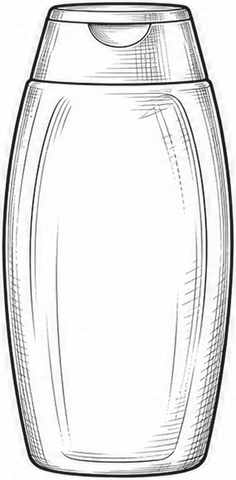
Caffeine is the same molecule found in coffee and tea, made synthetically or recovered during decaffeination. It is absorbed quickly into the scalp, which is why it is popular in shampoos and scalp serums for thinner-looking hair. In body care it is used to help skin look firmer and smoother.
Good for
How it works
Caffeine is small and water-soluble, so it reaches the hair follicles within minutes, even from a shampoo. In small scalp studies this helped hair look fuller, though results are modest. On the body it may reduce puffiness for smoother-looking skin.
Ratings
Pairs and cautions
Pairs well with
In a routine. Pairing in one formula depends on matching pH windows.
Take care with
- None noted.
Formulations it suits
Packaging
Regional considerations
| Australia | Caffeine is Schedule 6 as a raw material, but preparations for external use are exempt, so topical products need no poison labelling. Hair-growth or hair-loss claims make it a therapeutic good. |
|---|---|
| United States | FDA regards any OTC product claiming to grow hair or prevent hair loss as a new drug that needs an approved new drug application, so US caffeine shampoos and serums must stay with cosmetic claims about how hair looks. |
| China | Any anti-hair-loss claim makes the product a special cosmetic that needs NMPA registration before import, and products claiming to promote hair growth cannot be sold as cosmetics. |
Specifications
Shampoos often use 0.5–1%, and leave-on scalp serums and body products up to about 2%.
| INCI | Caffeine |
|---|---|
| Also known as | 1,3,7-Trimethylxanthine |
| Origin | synthetic |