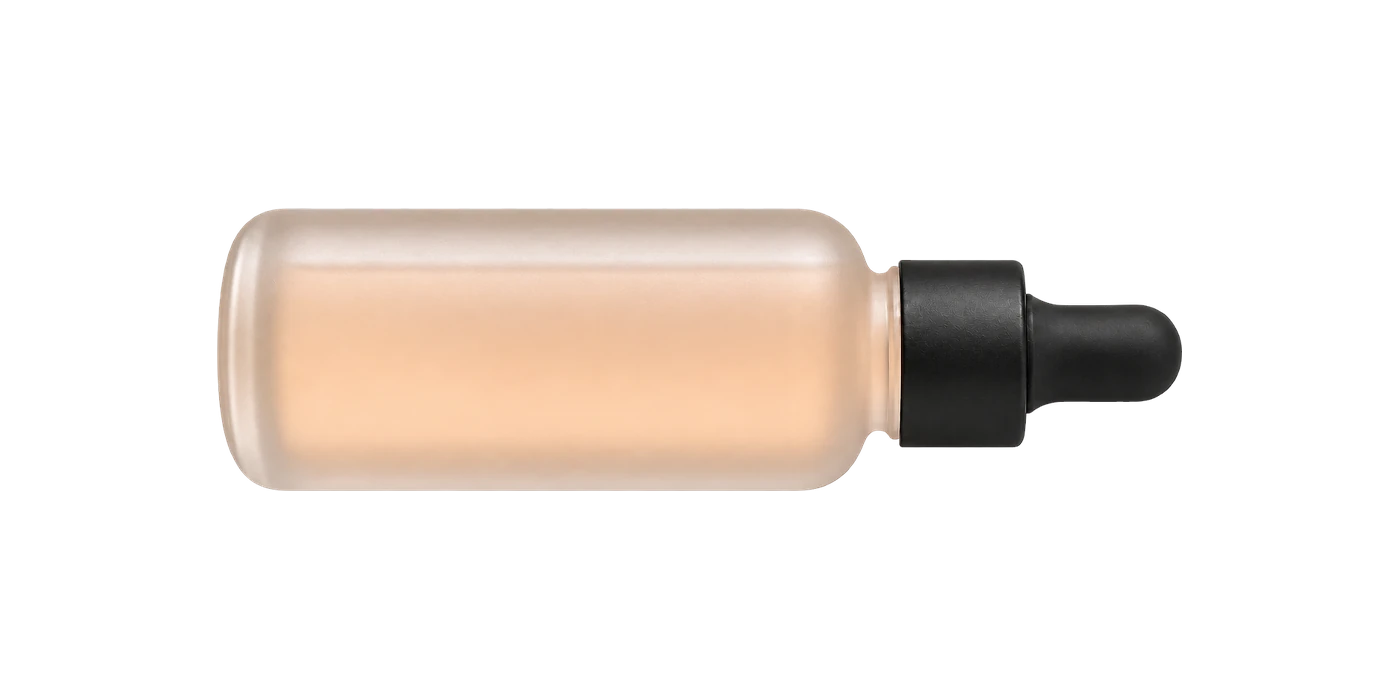
Vitamin C
A brightening antioxidant that helps skin look more radiant and even, available in pure and stable forms.
What it is
Vitamin C is an antioxidant that helps the appearance of dullness and uneven tone, so skin looks brighter. It comes as pure L-ascorbic acid, the most researched form, or as gentler derivatives.
Good for
How it works
As an antioxidant, vitamin C helps neutralise free radicals created by UV and pollution, and skin uses it in making collagen. It is also thought to slow pigment production, so marks can look lighter over time. Most derivatives must be converted to vitamin C in the skin, and evidence that they work as well is more limited.
Ratings
Pairs and cautions
Pairs well with
In a routine. Pairing in one formula depends on matching pH windows.
- Vitamin E
- Ferulic acid
- Daily sunscreen
- Hyaluronic acid
- Niacinamide
Take care with
- Copper peptides in the same productCopper speeds oxidation
Formulations it suits
Packaging
Regional considerations
| Australia | Not scheduled, with no Australian limit. The AIIC listing for ethyl ascorbic acid requires the importer to tell AICIS within 28 days if it will be used above 10%. |
|---|---|
| Korea | Pre-approved brightening levels are 2% ascorbyl glucoside, 2% ascorbyl tetraisopalmitate (tetrahexyldecyl ascorbate), 3% magnesium ascorbyl phosphate and 1–2% ethyl ascorbyl ether, for lotion, liquid, cream, solid or sheet-mask products reported to MFDS as functional cosmetics. |
| China | Brightening or spot-fading claims make it a special cosmetic, which needs NMPA registration and a human efficacy test at a designated lab before launch. |
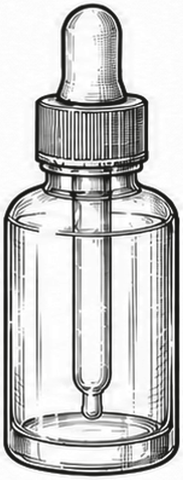
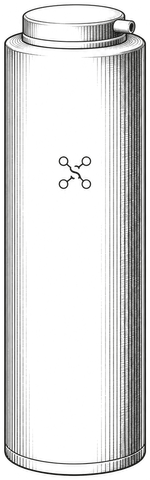
| Climate | L-ascorbic acid browns faster in heat, so for hot markets and tropical shipping use airless opaque packs, small fills or a heat-stable derivative such as ascorbyl glucoside. |
Specifications
L-ascorbic acid at 10–20% in low-pH serums; derivatives such as ascorbyl glucoside at 1–5%, and up to 10% in targeted serums.
| INCI | Ascorbic Acid; 3-O-Ethyl Ascorbic Acid; Ascorbyl Glucoside; Sodium Ascorbyl Phosphate; Tetrahexyldecyl Ascorbate |
|---|---|
| Also known as | L-ascorbic acid, Ethyl ascorbic acid, Ascorbyl glucoside, Sodium ascorbyl phosphate, Tetrahexyldecyl ascorbate |
| Origin | synthetic |