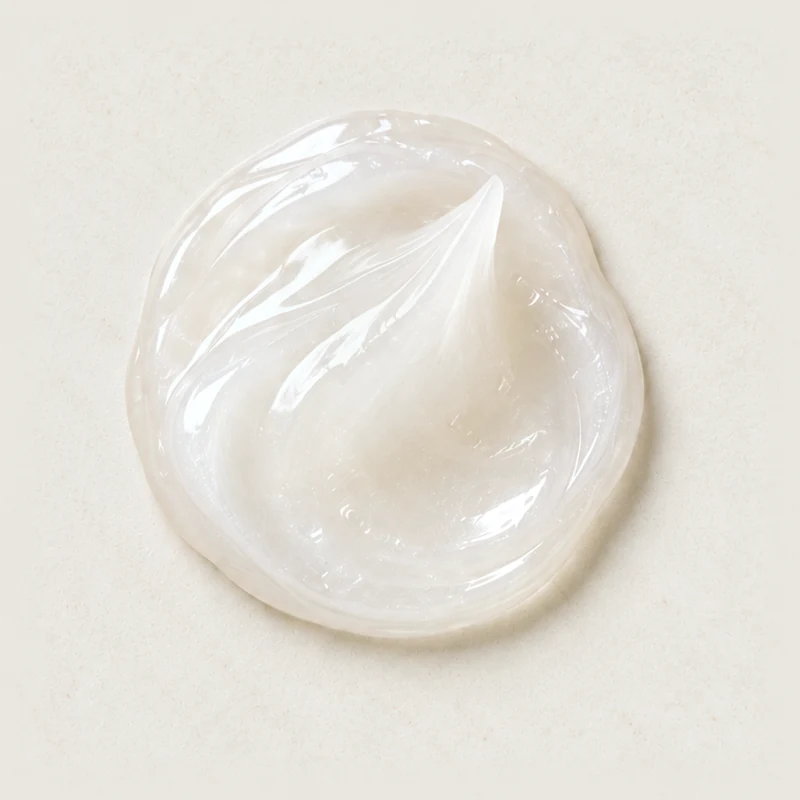
Cream or sleeping mask
Oil-in-water emulsionCold fill
A rich cream or gel-cream mask, left on for minutes or overnight for a concentrated moisture boost.
Plush and cushioning, settling to a soft, slightly occlusive layer.
What it is
A cream mask is a thicker, richer emulsion applied in a generous layer and either tissued off or left on. Sleeping masks are lighter gel-creams designed to stay on overnight without transferring to the pillow. Both suit an unhurried evening ritual.
Who it suits
Dry and dehydrated skinTired-looking skin
Typical actives
What is in it
| Emulsifier or polymer | Cetearyl alcohol and cetearyl glucoside, glyceryl stearate, polymeric emulsifiers |
|---|---|
| Occlusive or emollient | Shea butter, squalane, dimethicone, plant oils |
| Humectant | Glycerin, betaine, sodium PCA |
| Film-former (sleeping masks) | Polysaccharide film-formers, sodium hyaluronate |
| Preservative | Phenoxyethanol or organic acid systems |
Benefits and challenges
Benefits
- Sleeping masks are designed to stay on overnight without transferring.
- Built on familiar cream and gel-cream processes.
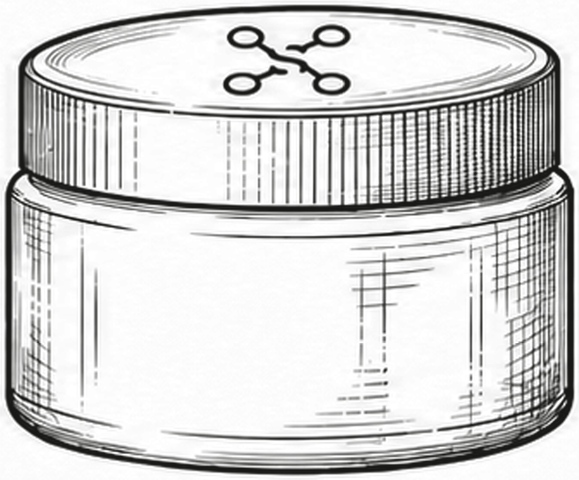
- Generous dose suits jar packs.
Challenges
- Large dose per use empties packs faster.
- Jars expose the product to air and fingers.
- Rich versions can feel heavy on oily skin.
Shelf life
24–36 months01236 months
6–12 months01224 months
Main risks are separation, viscosity change, oxidation and microbial growth.
Packaging
In the labpH Viscosity at rest 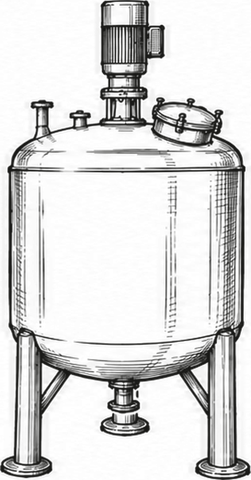
50 L pilot 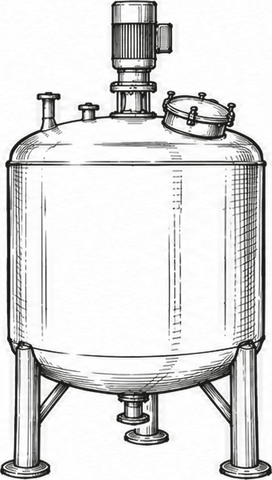
1,000 L 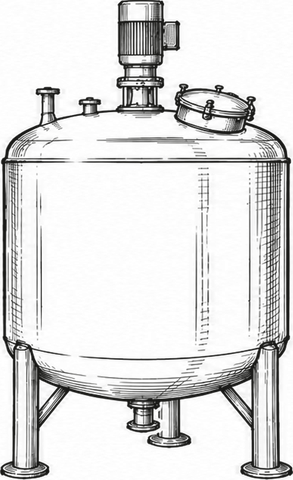
5,000 L production
How it is made
- 01Heat both phasesOr build a polymer network cold.
- 02Emulsify under vacuumHomogenise the oil phase into water.
- 03Cool with sweep mixingSlow mixing down to about 40 °C.
- 04Add finishing ingredientsActives, film-formers and preservative during cooling.
cold fill · 25 °CA piston filler runs slowly to avoid air pockets, and jars benefit from an inner seal and a spatula.
Specifications
pH 4.5–6.52 acid7 neutral10 alkaline
30,000–120,000 mPa·swaterlotioncreambutterpaste
Batch sizes
Lab notes
Preservation
Required; jar packs need a strong challenge-test result to ISO 11930.
Stability testing
Storage at 40–45 °C, freeze–thaw, centrifuge, viscosity tracking, and transfer tests for overnight claims.
Regulatory, Australia
Cosmetic for moisturising and appearance claims. Label ingredients under the Consumer Goods (Cosmetics) Information Standard 2020.