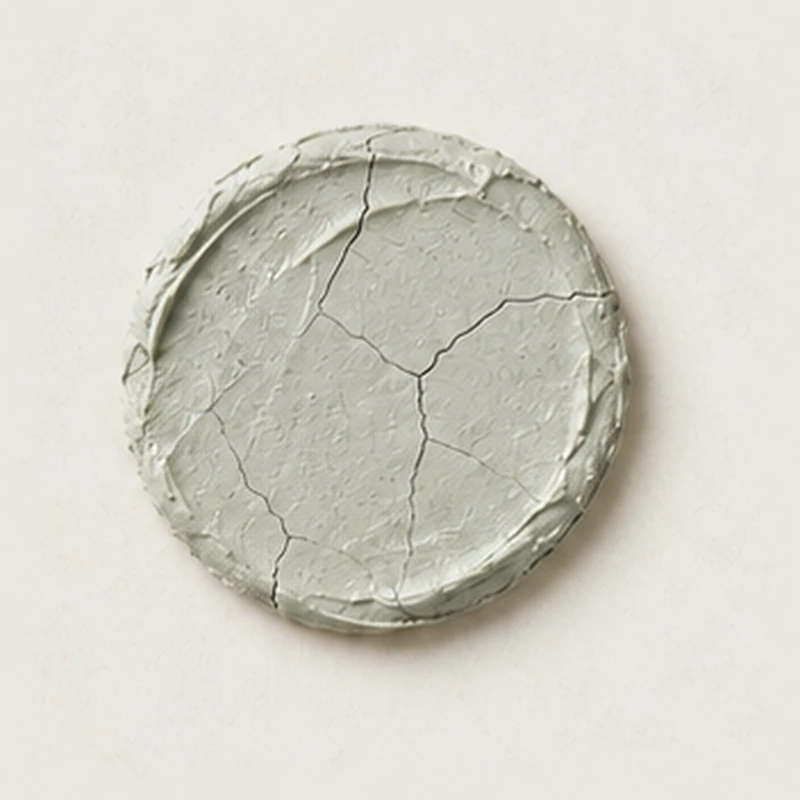
A clay mask is fine clay powder suspended in a water or light cream base. Left on for 5–15 minutes, the clay absorbs surface oil, and rinsing leaves skin feeling clean and matt. It is usually a weekly step, and waterless powder versions are mixed with water at home.
Main risks are drying and cracking, water separation, colour change and microbial growth.
Packaging
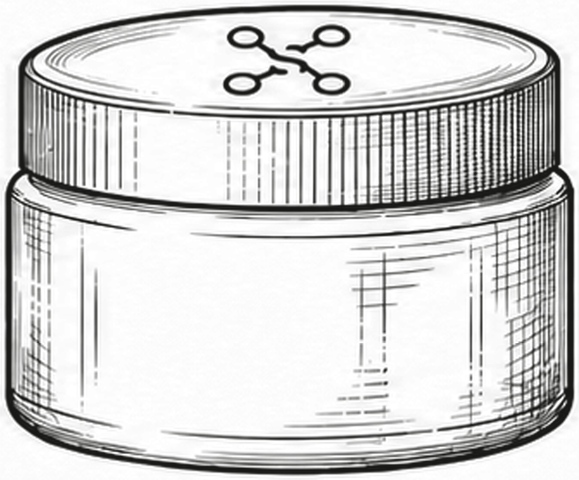
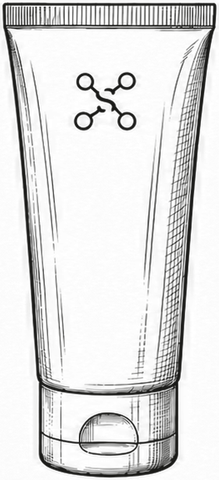
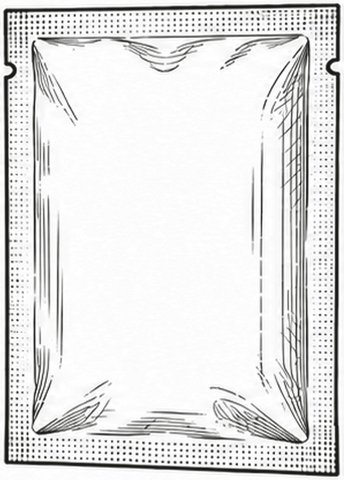
JarTubeSachet
In the lab
How it is made
01Hydrate the gumsSuspending agent and humectants in water.
02Wet out the claysAdd clays slowly under strong mixing.
03Add emulsion phase (optional)A small oil phase for a creamier mask.
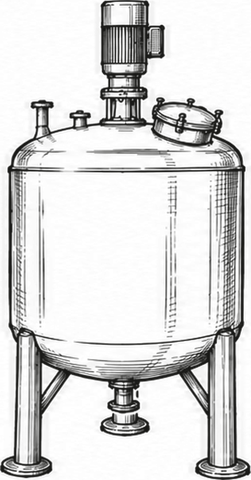
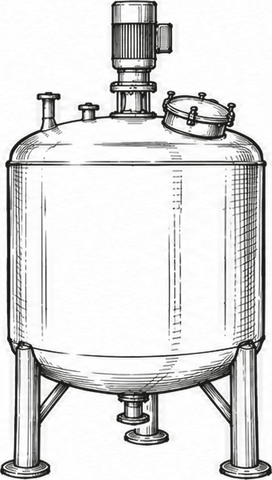
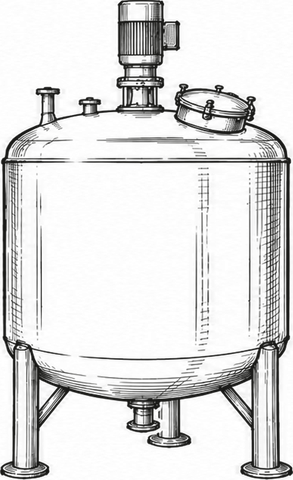
04De-aerate the pasteVacuum mixing removes trapped air.
05Add preservative and fragranceThen check viscosity and pH.
cold fill · 25 °CA piston filler built for thick pastes fills well-sealing packs, because the mask cracks if it loses water.
Specifications
pH
pH 5.5–82 acid7 neutral10 alkaline
Viscosity at rest
50,000–250,000 mPa·swaterlotioncreambutterpaste
Batch sizes
50 L pilot1,000 L5,000 L production
Lab notes
Preservation
Required for wet masks, using low-count or treated clays and a challenge test to ISO 11930. Dry powder masks are low risk.
Stability testing
Storage at 40–45 °C, water loss through the pack, syneresis, freeze–thaw and microbial limits on incoming clays.
Regulatory, Australia
Cosmetic for cleansing and appearance claims; anti-acne masks stay cosmetic only when presented as controlling or preventing acne solely through cleansing, moisturising, exfoliating or drying the skin, and contain no substance in Schedules 2, 3, 4 or 8 of the Poisons Standard. Label ingredients under the Consumer Goods (Cosmetics) Information Standard 2020.