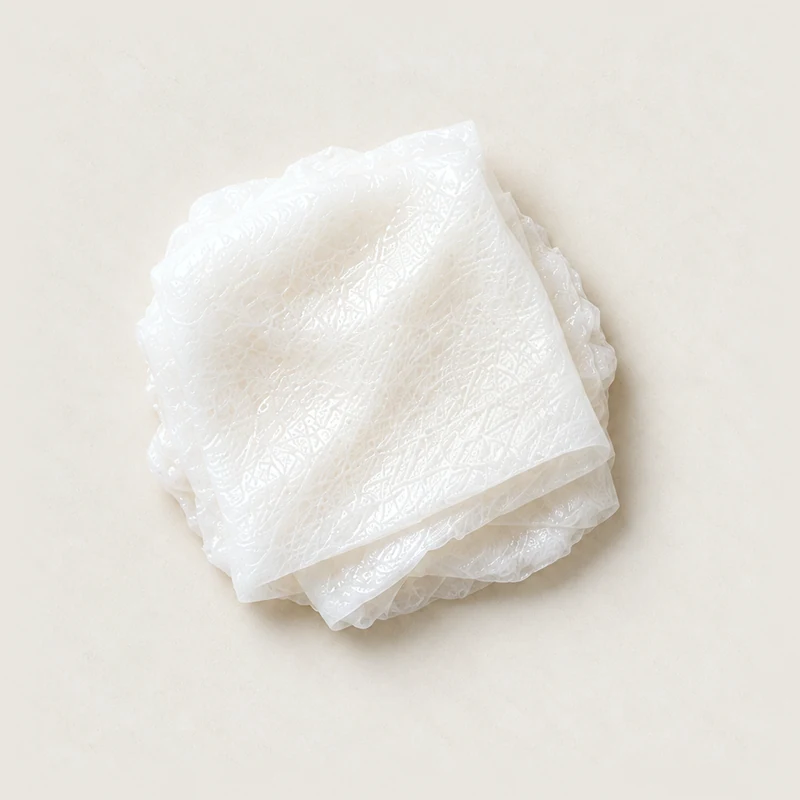
Sheet mask
Aqueous gelCold fill
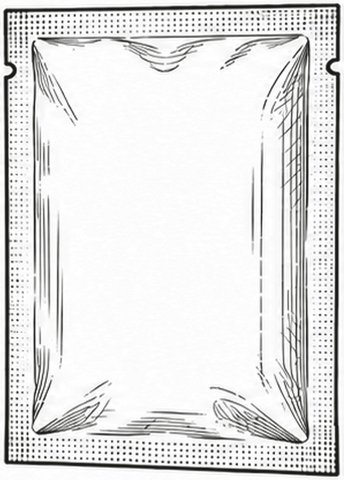
A single-use fabric or gel sheet soaked in serum, sealed in a sachet and worn for minutes.
Cool and wet on the face, leaving skin dewy and slightly tacky.
What it is
A sheet mask is a face-shaped sheet of non-woven fibre, bio-cellulose or hydrogel, folded into a foil sachet with a generous dose of serum-like essence. It is worn for 10–20 minutes, and the sheet slows evaporation so the essence stays on the skin. Single sachets also suit gifting and sampling.
Who it suits
All skin typesDehydrated skin
Typical actives
What is in it
| Sheet substrate | Non-woven cotton, cupro or lyocell; bio-cellulose; hydrogel |
|---|---|
| Humectant | Glycerin, butylene glycol, sodium hyaluronate |
| Light thickener | Xanthan gum, carbomer, hydroxyethylcellulose |
| Solubiliser | Polysorbate 20, PEG-40 hydrogenated castor oil |
| Preservative | Phenoxyethanol or organic acid systems |
Benefits and challenges
Benefits
- Clear sensory moment and visible ritual.
- Single dose, so each unit is fresh.
- Sheet keeps the essence on skin longer.
Challenges
- Single-use waste from sheets and foil.
- Needs specialist folding and insertion equipment.
- Wet sheets are hard to preserve.
Shelf life
24–36 months01236 months
Each sachet is single-use, so there is no after-opening period. Main risks are seal failure, essence loss, discoloured sheets and microbial growth.
Packaging
In the labpH 
50 L pilot 
1,000 L 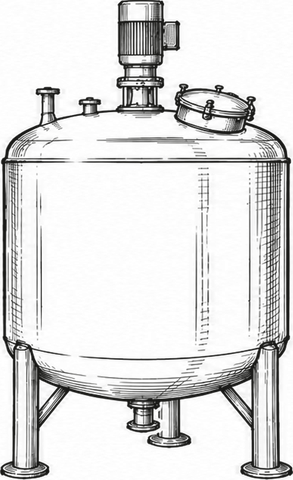
5,000 L production
How it is made
- 01Make the essenceMix a light gel or toner base.
- 02Filter and releaseCheck pH, viscosity and microbial limits.
- 03Fold and insert sheetsPlace folded sheets into foil sachets.
- 04Dose the essenceOften 15–30 mL per sachet.
- 05Heat-seal the sachetsCheck seal strength and fill volume.
cold fill · 25 °CEssence is dosed into foil sachets holding folded sheets on a dedicated sheet-mask line, then heat-sealed.
Specifications
pH 5–6.52 acid7 neutral10 alkaline
Batch sizes
Lab notes
Preservation
Required; challenge test the essence on the substrate, not only on its own, to ISO 11930. Specify low starting counts on sheets.
Stability testing
Storage of sealed sachets at 40–45 °C, seal strength, weight loss, substrate compatibility and colour.
Regulatory, Australia
Cosmetic for hydration and appearance claims. Label ingredients under the Consumer Goods (Cosmetics) Information Standard 2020.