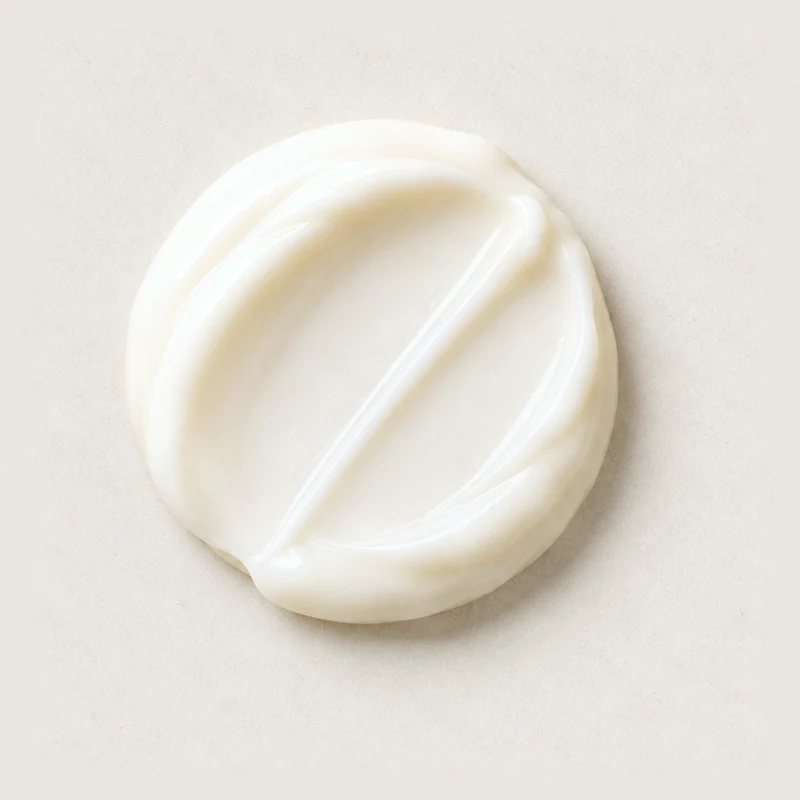
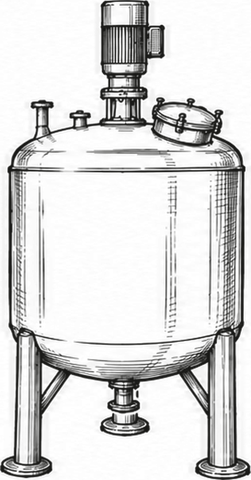
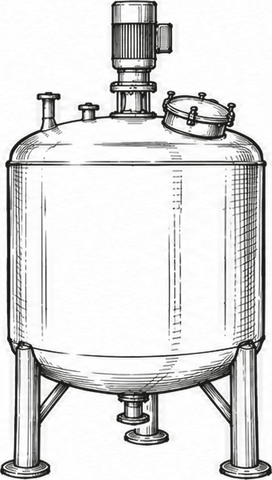
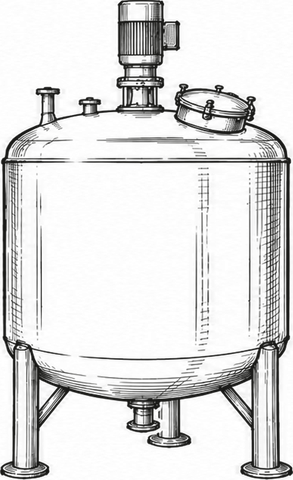
An eye cream is a small-dose emulsion made for the delicate skin under the eyes and on the eyelids. It is usually fragrance-free, low in known irritants and tested so it does not sting if it migrates into the eye. It suits routines for dryness and the look of puffiness and fine lines.
Main risks are separation, loss of the active and contamination at applicator tips.
Packaging
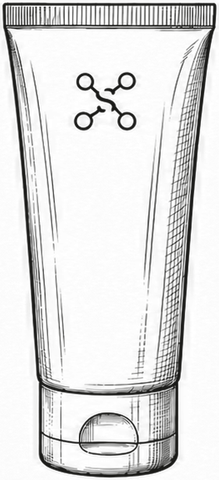
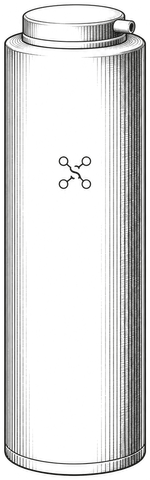
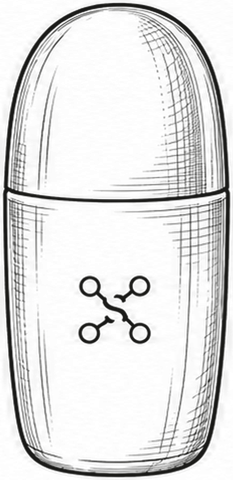
TubeAirless pumpRoll-on
In the lab
How it is made
01Heat both phasesWater and oil phases to about 70–80 °C.
02Emulsify finelyHomogenise under vacuum for small droplets.
03Cool with sweep mixingSlow mixing down to about 40 °C.
04Add actives and powdersSoft-focus powders and actives during cooling.
05Check texture and pHpH close to neutral for eye comfort.
cold fill · 25 °CSmall volumes, often 15–20 mL, need precise dosing and tube sealing, and metal or ceramic tips are checked for compatibility.
Specifications
pH
pH 5.5–72 acid7 neutral10 alkaline
Viscosity at rest
10,000–60,000 mPa·swaterlotioncreambutterpaste
Batch sizes
50 L pilot1,000 L5,000 L production
Lab notes
Preservation
Required; choose a system with low eye-irritation potential and challenge test to ISO 11930.
Stability testing
Storage at 40–45 °C, freeze–thaw, pack and applicator compatibility, and eye-area tolerance and in-use studies.
Regulatory, Australia
Cosmetic for appearance claims, such as the look of puffiness or fine lines; 'ophthalmologist tested' needs a supporting study. Label ingredients under the Consumer Goods (Cosmetics) Information Standard 2020.