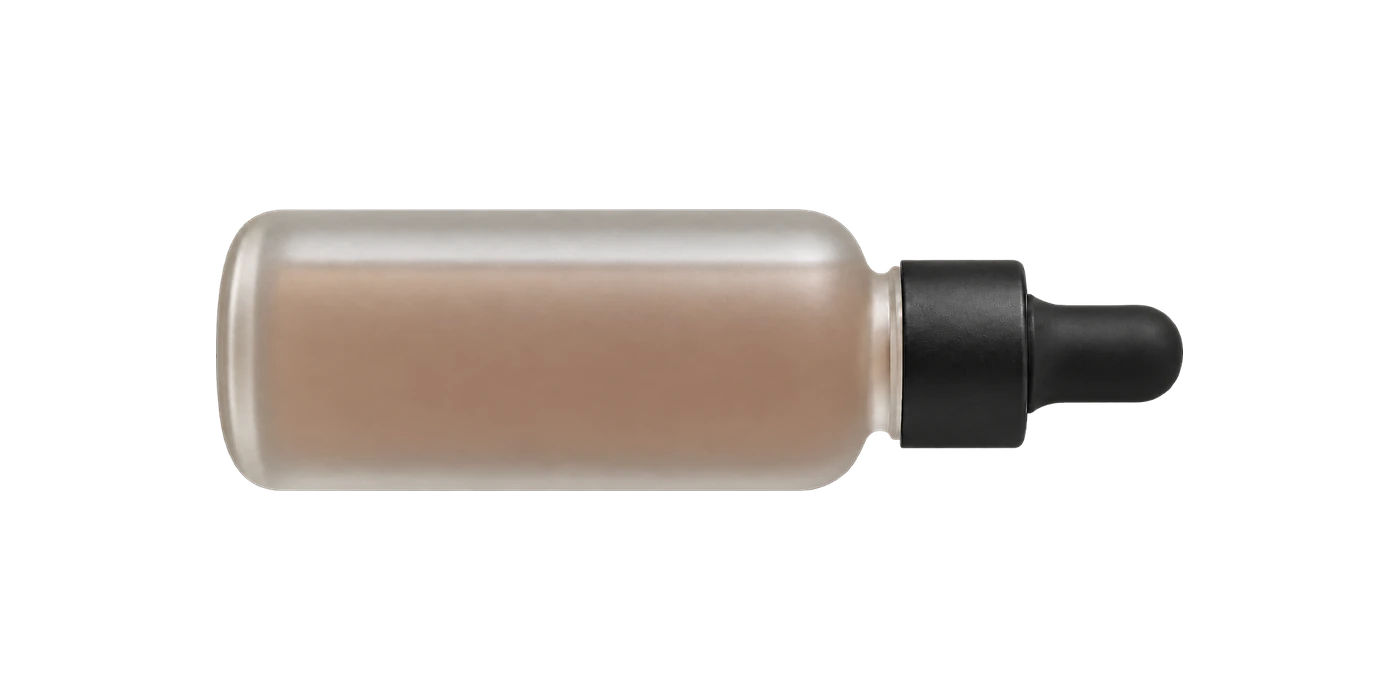
Wattleseed
A roasted native acacia seed with a coffee-chocolate aroma; in skin care it is mainly a story ingredient.
What it is
Wattleseed comes from a few edible Australian acacias, mainly Acacia victoriae, and is a traditional Aboriginal food now roasted and ground as a spice. Extracts carry amino acids and phenolic compounds, and finely ground seed can act as a gentle natural scrub.
Good for
How it works
Wattleseed is rich in protein, fibre and minerals. The extract's amino acids, such as tryptophan, and phenolic compounds may add mild conditioning and antioxidant activity, though no study has tested this on skin. Ground seed works physically, buffing away dry surface flakes.
Ratings
Pairs and cautions
Pairs well with
In a routine. Pairing in one formula depends on matching pH windows.
Take care with
- Coarse grinds in face productsCan irritate if not finely milled
Formulations it suits
Packaging
Regional considerations
| Australia | Seed is covered by the general seed exemption on the EPBC exempt list, but extracts are not, so exporting an extract of wild-harvested seed needs a wildlife trade permit and an approved source. Aboriginal-harvest claims must be provable under consumer law. |
|---|---|
| China | Not in China's IECIC, so it is a new ingredient there and must be notified to NMPA before products using it can be sold in China; the notifier then reports its use and safety to NMPA each year for three years. |
| European Union | Listed in CosIng as Acacia Victoriae Seed Extract. Australia has not ratified the Nagoya Protocol, so EU access-and-benefit-sharing due diligence does not apply to Australian supply. |
Specifications
Extracts are used at 0.5–3% in creams, lotions and washes; finely ground roasted seed is used at a few per cent in polishing washes and masks.
| INCI | Acacia Victoriae Seed Extract |
|---|---|
| Also known as | Wattle seed, Elegant wattle, Bardi bush, Acacia victoriae |
| Origin | plant-derived |