Sunscreen lotion
A lotion or cream that protects skin from UV, regulated in Australia as a therapeutic good.
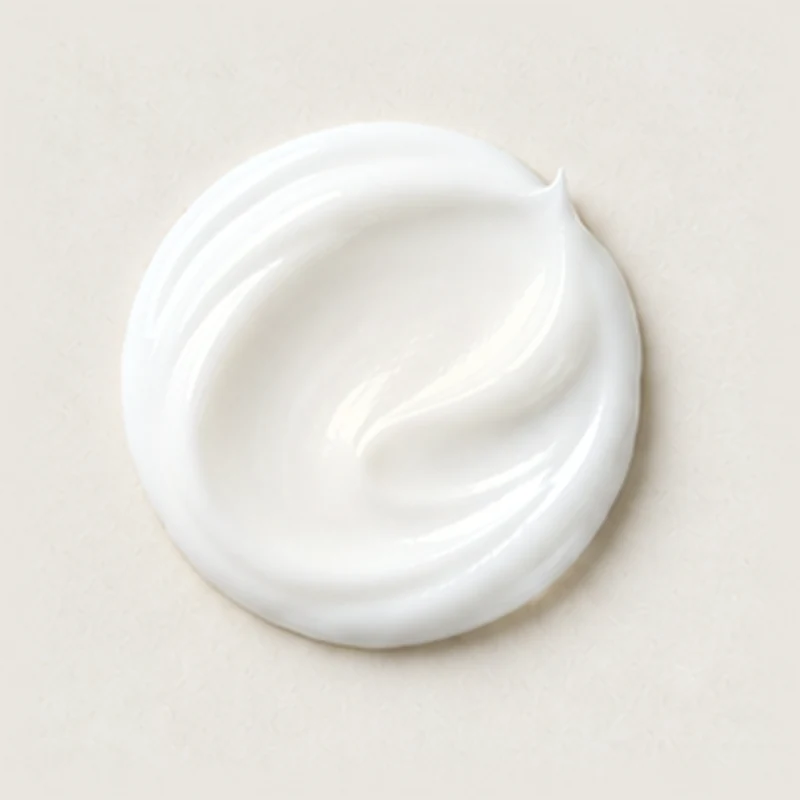
Smooth and spreadable, drying to a light film; mineral types can leave a soft white cast.
What it is
A sunscreen lotion is an emulsion carrying UV filters that spreads into an even, protective film on skin. Products sold mainly for sun protection are therapeutic goods in Australia, listed with the TGA and tested to the Australian sunscreen standard. Water-resistant versions rely on film-formers or a water-in-oil base.
Who it suits
Typical actives
What is in it
| UV filter | Zinc oxide, titanium dioxide, bemotrizinol, avobenzone, octocrylene, ethylhexyl triazone |
|---|---|
| Emulsifier | Polyglyceryl esters, potassium cetyl phosphate, polymeric emulsifiers |
| Emollient or filter solvent | C12-15 alkyl benzoate, dibutyl adipate, caprylic/capric triglyceride |
| Film-former | Acrylates copolymers, VP/eicosene copolymer, waxes |
| Preservative | Phenoxyethanol or organic acid systems |
Benefits and challenges
Benefits
- Suits daily face and body use.
- Texture can be tuned from fluid to cream.
- Works with mineral, organic or hybrid filters.
Challenges
- ARTG listing and SPF testing are required.
- Filters can crystallise or degrade if unbalanced.
- Mineral filters can whiten and thicken over time.
Shelf life
An expiry date is required, supported by accelerated and real-time stability data. Main risks are filter crystallisation, separation, viscosity change and loss of SPF.
Packaging
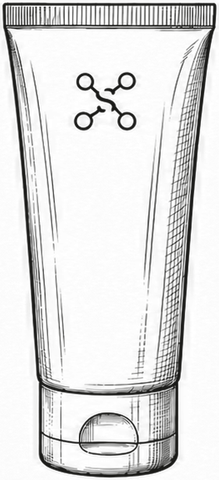
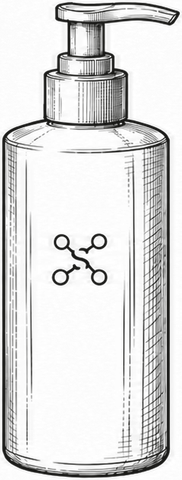
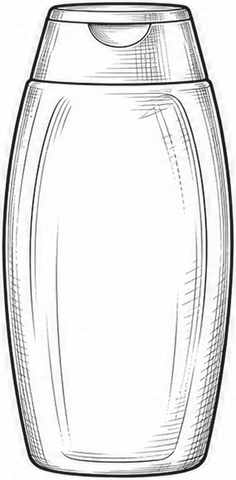
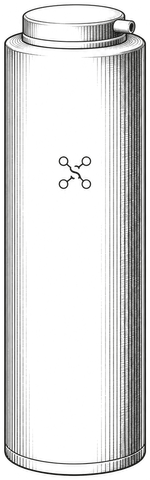
How it is made
- 01Dissolve organic filtersIn the heated oil phase.
- 02Disperse mineral filtersBreak up clumps with careful high shear.
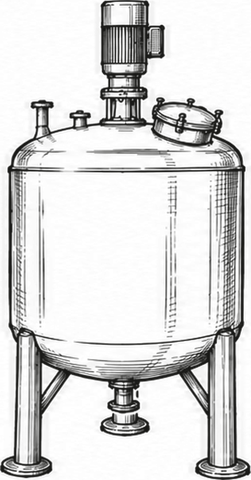
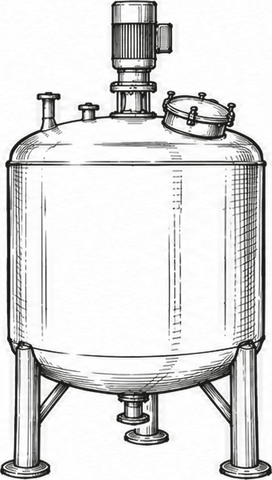
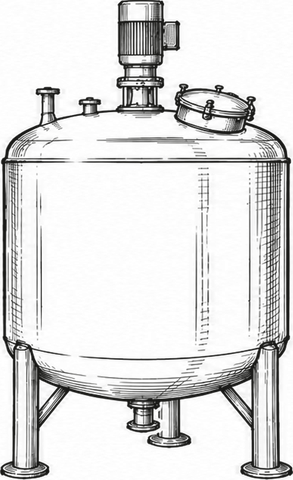
- 03Emulsify under vacuumHomogenise the oil and water phases.
- 04Cool and finishHeat-sensitive ingredients and preservative go in late.
- 05Assay before releaseCheck appearance, viscosity and filter content.
cold fill · 25 °CFilled under TGA GMP, with the bulk kept uniform so filter content is even from the first unit to the last.
Specifications
Batch sizes