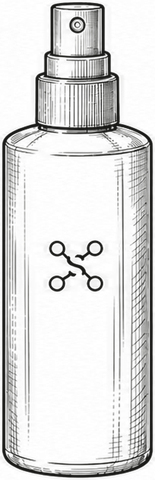
A thin sunscreen lotion in a pump or trigger spray, for fast body coverage.
Light and quick-drying, a thin lotion that spreads from a fine mist.
Body sunscreen spray, Family and kids' spray, Sport reapplication
What it is
SPF lotion sprays carry UV filters in a thin emulsion that a pump or trigger spray lays down as a fine mist. They make body coverage and reapplication quick, but enough product must be applied and rubbed in for even cover. Clear alcohol-based sprays and aerosols are a separate build.
Propellants need impurity controls, including for benzene.
Shelf life
Unopened
24–36 months01236 months
After opening
12 months01224 months
An expiry date is required. Main risks are separation, nozzle clogging, filter crystallisation, can corrosion and loss of SPF.
Packaging
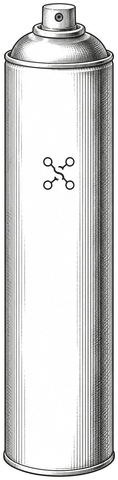
Spray bottleAerosol
In the lab
How it is made
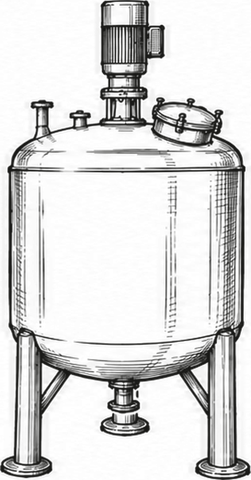
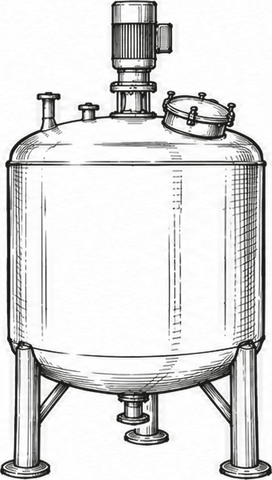
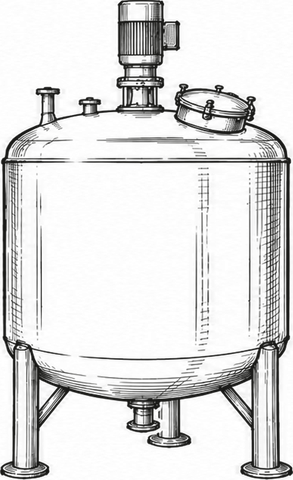
01Make the concentrateThin lotion or clear ethanol-based solution.
02Dissolve filters and film-formersSolid filters in warmed esters, then ethanol and film-formers after cooling.
03Fill the containerPump bottle, bag-on-valve or aerosol can.
04Gas aerosolsAdd propellant on a dedicated line.
05Test the sprayPattern, dose, crimp and leak checks.
cold fill · 25 °CLotion sprays are spray-tested for pattern and dose, and aerosol and bag-on-valve packs are gassed on a TGA-licensed line.
Specifications
pH
pH 5.5–7.52 acid7 neutral10 alkaline
Viscosity at rest
5–1,000 mPa·swaterlotioncreambutterpaste
Batch sizes
50 L pilot1,000 L5,000 L production
Lab notes
Preservation
Required for lotion sprays; high-ethanol and aerosol products are low microbial risk but must still meet TGA limits.
Stability testing
As for sunscreen lotions under TGA guidance, plus spray rate and pattern, valve and can compatibility, and corrosion.
Regulatory, Australia
Primary sunscreens of SPF 4 and above are therapeutic goods: listed on the ARTG (AUST L), limited to permitted filters and claims, made under TGA GMP and tested to AS/NZS 2604:2021. Aerosols are also Class 2 dangerous goods under the ADG Code.