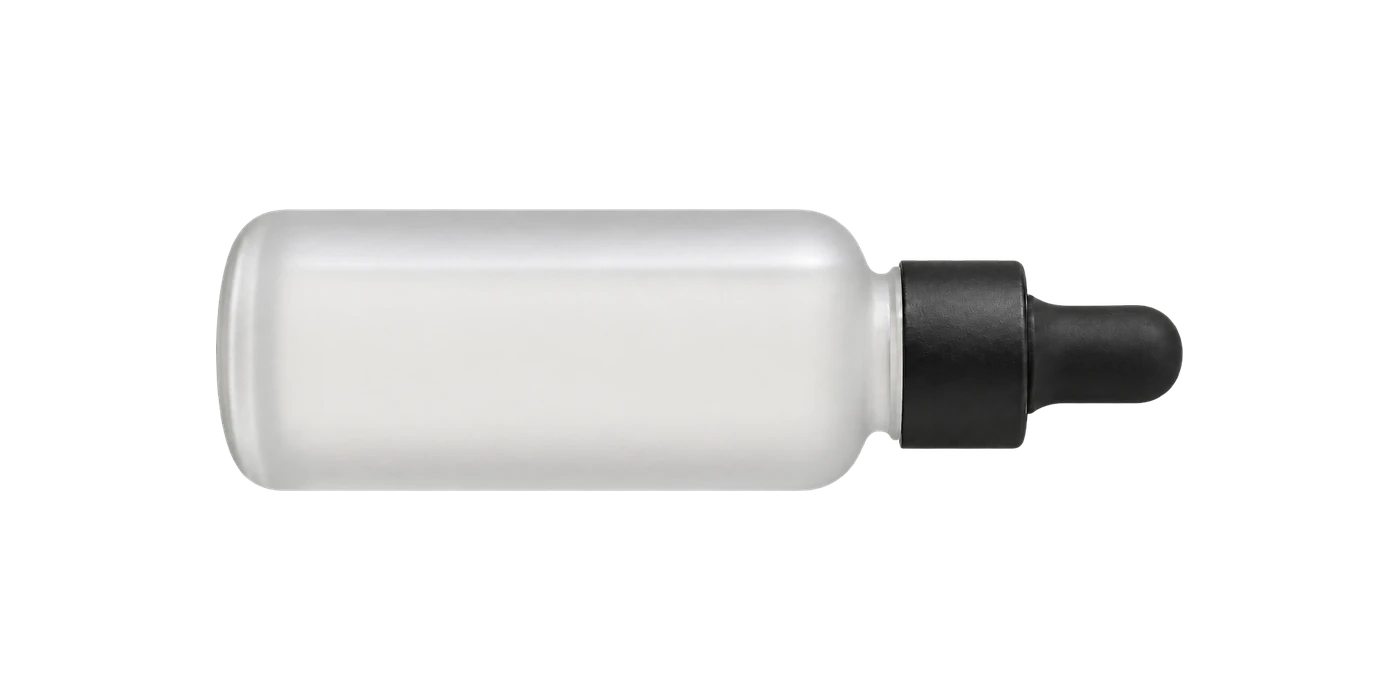
Zinc oxide
A white mineral filter that covers UVB and long UVA rays, suited to sensitive skin and children.
What it is
Zinc oxide is a fine white powder that sits on the skin and absorbs UV across UVB and UVA, including the long UVA rays many filters miss. It is the main filter in mineral sunscreens and the usual choice for babies, children and reactive skin. Higher levels can leave a white cast, so particle size and tint shape the finish.
Good for
How it works
Tiny zinc oxide particles absorb UV energy and release it as a small amount of heat, and only a small share is reflected. Its absorption runs from UVB through to about 370–380 nm, so on its own it gives balanced UVA protection. Smaller particles look clearer on skin but cover slightly less long UVA.
Ratings
Pairs and cautions
Pairs well with
In a routine. Pairing in one formula depends on matching pH windows.
- Titanium dioxide
- Bemotrizinol
- Iron oxides
- Vitamin E
Take care with
- Acidic actives such as AHAs or ascorbic acidZinc dissolves at low pH
- Carbomer-only gelsZinc ions thin them
- Avobenzone, with coated or uncoated gradesNeeds supporting stability data
Formulations it suits
Packaging
Regional considerations
| Australia | Permitted in ARTG-listed sunscreens with no maximum strength, and labels need not state particle size. After 2025 recalls of zinc products sharing one base formula, independent SPF testing matters. |
|---|---|
| New Zealand | Sunscreens are cosmetics in New Zealand with no pre-market approval, but the Sunscreen (Product Safety Standard) Act 2022 makes AS/NZS 2604:2012 mandatory, whereas the TGA requires the 2021 edition. |
| European Union | Annex VI allows 25% in total across standard and nano grades. Neither may be used where it could be inhaled, such as aerosol sprays, and nano grades must be labelled '(nano)'. |
| United States | One of two long-standing filters the FDA has proposed as safe and effective (GRASE), at up to 25%; the FDA added bemotrizinol to the monograph in June 2026. Every US sunscreen is an OTC drug and must carry a Drug Facts label. |
Specifications
Alone, 15–25% can reach SPF 50+ with strong UVA cover. Alongside organic filters, 5–15% is common and adds long-UVA protection.
| INCI | Zinc Oxide |
|---|---|
| Also known as | ZnO, Mineral filter, Physical sunscreen (older term) |
| Origin | mineral |
Lab notes
Solubility and phase
Stability
Regulatory, Australia
Claims to take care with
Sources
- legislation.gov.auAsmade
- tga.gov.auLiterature review safety titanium dioxide and zinc oxide…
- pubmed.ncbi.nlm.nih.gov26431814
- tga.gov.auSunscreens using same base formulation ultra violette lean screen spf…
- tga.gov.auUnderstanding regulation therapeutic sunscreens
- comcom.govt.nzSunscreen
- eur-lex.europa.eu?uri=CELEX:02009R1223 20260518
- fda.govQuestions and answers fdas regulatory actions over counter sunscreen