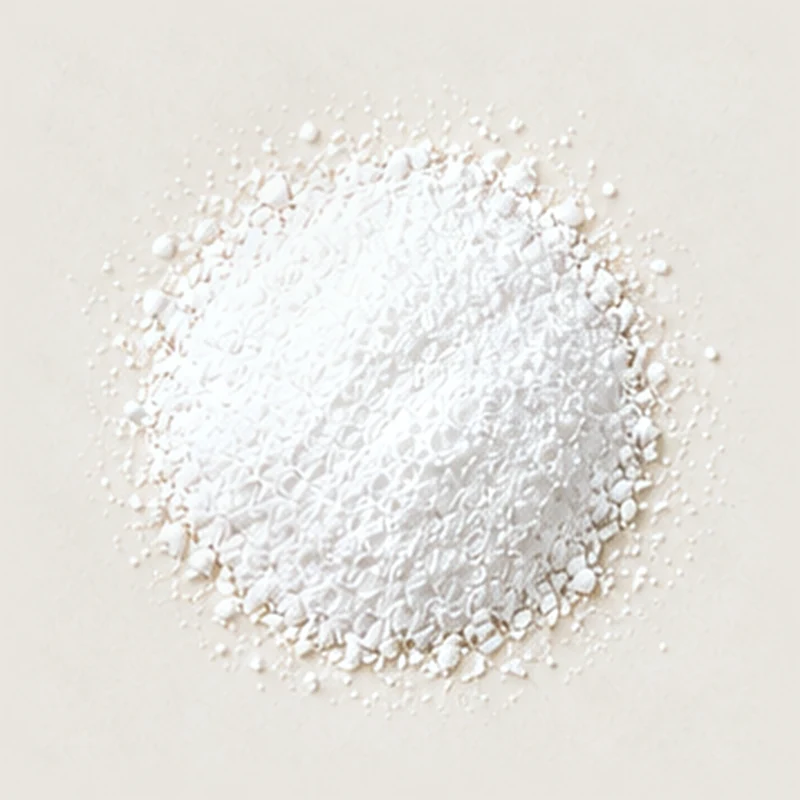
Dry shampoo
PowderNo fill (dry or solid)
A waterless powder, shaken or sprayed onto roots, that absorbs oil and refreshes hair between washes.
Dry and light, adding grip and volume at the roots.
What it is
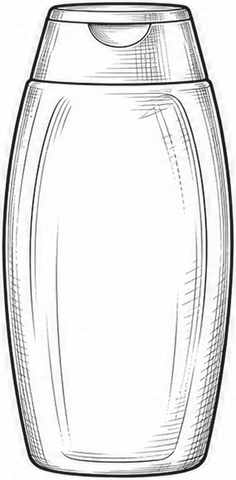
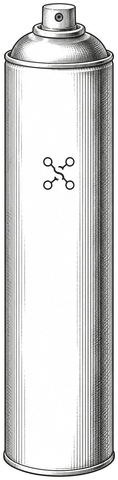
Dry shampoo uses fine absorbent powders, such as rice or tapioca starch, to soak up oil at the roots without water. It comes as a shaker powder or as an aerosol in which the powder is carried in alcohol and propellant. It adds volume and refreshes second-day hair between washes.
Who it suits
Oily rootsFine hair
What is in it
| Absorbent powder | Oryza sativa (rice) starch, tapioca starch, aluminium starch octenylsuccinate, silica, kaolin |
|---|---|
| Flow aid | Silica, magnesium stearate |
| Tint (powders) | Iron oxides, cocoa powder, activated charcoal for dark shades |
| Carrier and propellant (aerosols) | Ethanol; butane, isobutane, propane |
| Fragrance | Fragrance or essential oils |
Benefits and challenges
Benefits
- Waterless and quick to use.
- Powder versions are simple and low microbial risk.
- Tinted versions blend into darker hair.
Challenges
- Aerosols are flammable dangerous goods.
- Propellant purity must be controlled.
- Powder handling needs dust control.
Shelf life
24–36 months01236 months
12–24 months01224 months
Main risks are caking, fragrance loss, valve clogging and can corrosion.
Packaging
In the lab
How it is made
- 01Blend the powdersStarches, silica and clays in a ribbon blender.
- 02Add fragranceSprayed onto the powder while blending.
- 03Sieve for textureRemove lumps for an even feel.
- 04Fill powder or concentrateShaker packs, or ethanol slurry for aerosols.
- 05Gas aerosolsAdd propellant, then crimp and leak test.
FillingPowder is auger-filled into shaker packs, while aerosols are filled and gassed on a dedicated line with propellant controls.
Lab notes
Preservation
Usually not needed in dry powders or high-alcohol aerosols; specify low-count starches and confirm with ISO 29621.
Stability testing
Caking under heat and humidity, fragrance stability and, for aerosols, spray rate, valve function, pressure and can corrosion.
Regulatory, Australia
Cosmetic; aerosols are Class 2 dangerous goods under the ADG Code for road and rail transport, and their storage in Victoria falls under the Dangerous Goods (Storage and Handling) Regulations 2022. Set propellant impurity limits, as benzene traced to propellant led to dry shampoo recalls in 2021.