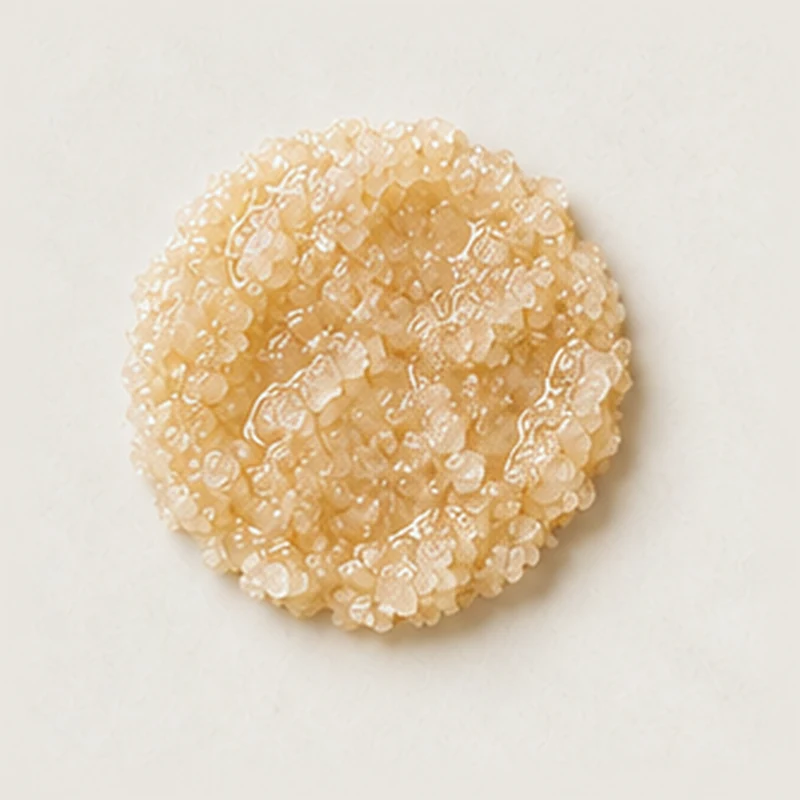
An exfoliating body product of sugar, salt or natural particles held in an oil or cream base.
Grainy and massaging, rinsing to smooth skin with a light oily or soft finish.
Sugar body scrub, Salt scrub, Coffee scrub, Foaming exfoliating wash
What it is
A body scrub mixes exfoliating particles into an oil, butter or cleansing-cream base. Massaged over damp skin, the particles buff away dry flakes and the base leaves skin feeling smooth and moisturised. It is often used before self-tanning or as a weekly body ritual.
Waxes or silica for oil scrubs; a thickened surfactant base for foaming scrubs
Benefits and challenges
Benefits
Buffs and moisturises in one step.
Waterless sugar or salt scrubs are low microbial risk.
Many natural exfoliants to choose from.
Challenges
Oil separates from particles over time.
Abrasive particles wear filling equipment.
Water in the jar can let microbes grow.
Shelf life
Unopened
18–24 months01236 months
After opening
6–12 months01224 months
Oil scrubs are limited by oxidation. Main risks are oil separation, hardening and contamination from wet hands.
Packaging
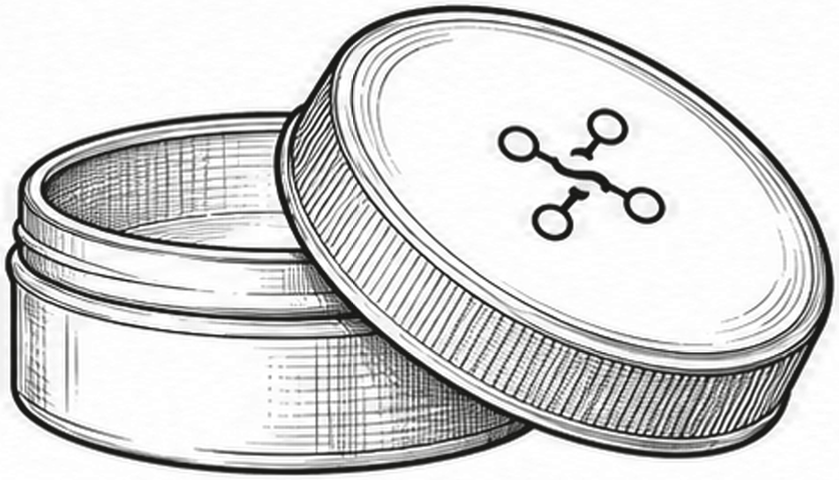
JarTubePouchTin
In the lab
How it is made
01Warm the baseOils, butters and rinse-off emulsifier.
02Cool to soft setSo particles stay suspended.
03Fold in exfoliantLow-shear mixing keeps particles whole.
04Fill to weightWith a particle-capable piston filler.
cold fill · 25 °CA particle-capable piston filler fills jars to weight, and abrasive particles wear its seals and valves.
Specifications
Batch sizes
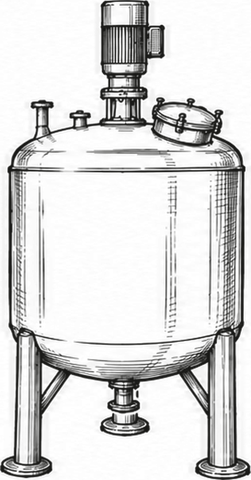
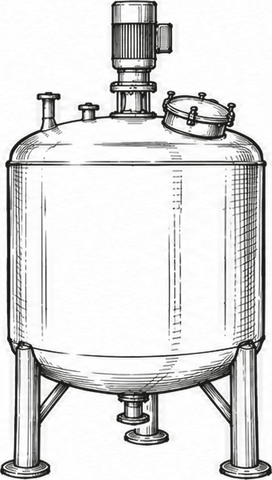
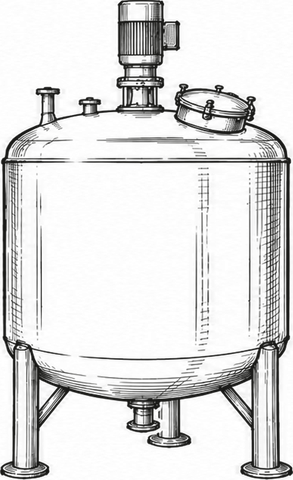
50 L pilot1,000 L5,000 L production
Lab notes
Preservation
Anhydrous scrubs are often unpreserved with an ISO 29621 risk assessment, though many include a preservative for wet-hand use. Water-based scrubs require one.
Stability testing
Oil separation at 40–45 °C, heat cycling, particle integrity and oxidation checks.
Regulatory, Australia
Cosmetic; NSW has banned plastic microbeads in rinse-off personal care products since 1 November 2022, including biodegradable and bioplastic beads such as PLA or cellulose acetate, so use non-plastic exfoliants. Label ingredients under the Consumer Goods (Cosmetics) Information Standard 2020.