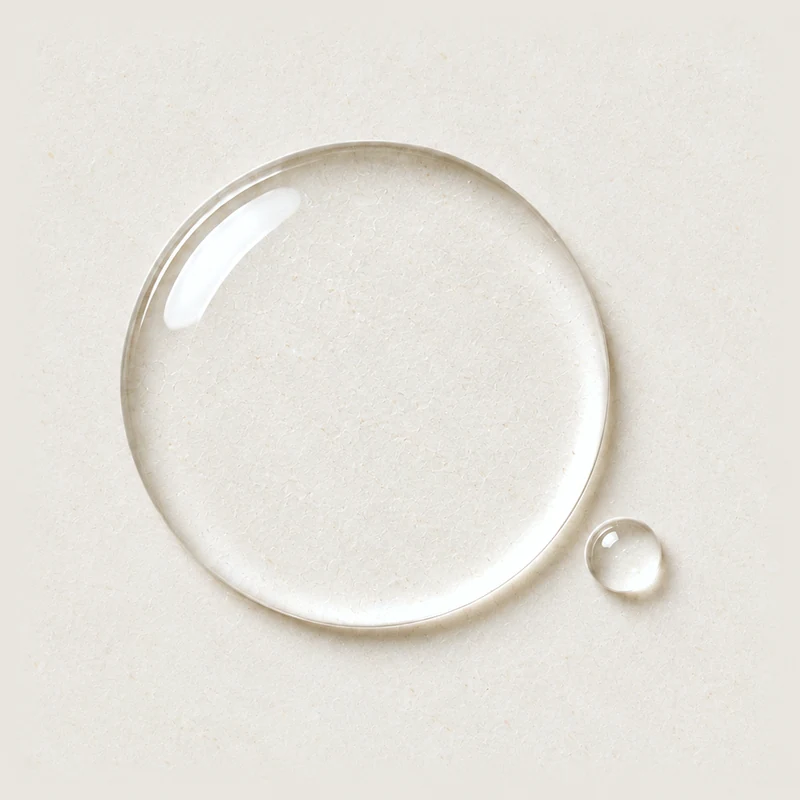
Micellar water looks like water but holds a low level of very mild surfactants that gather into tiny clusters called micelles. These pick up make-up and oil when swept across skin on a pad. A shake-before-use two-phase version adds an oil layer for waterproof make-up.
Poloxamer 184 or 188, PEG-6 caprylic/capric glycerides, polyglyceryl-4 caprate, coco-glucoside
Humectant and solvent
Glycerin, propanediol, hexylene glycol
Chelating agent
Disodium EDTA, sodium phytate
Preservative
Phenoxyethanol, sodium benzoate or a gentle multifunctional blend
Benefits and challenges
Benefits
Very gentle, no-rinse convenience.
Two-phase versions lift waterproof make-up.
Suits eye make-up removal.
Challenges
Leaves surfactant on skin if not rinsed.
Mostly water, so heavy to ship.
Needs gentle but effective preservation.
Shelf life
Unopened
24–36 months01236 months
After opening
6–12 months01224 months
Main risks are haze, odour change and microbial growth, plus poor layer separation in two-phase types.
Packaging
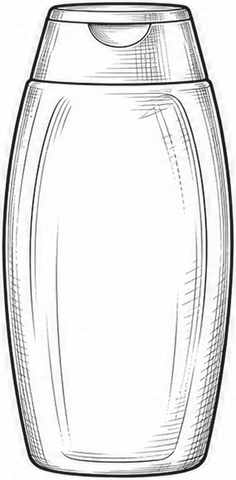
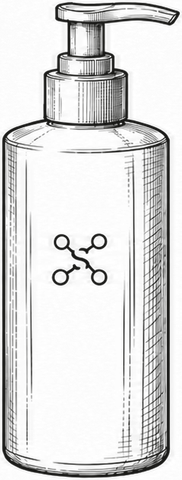
Squeeze bottlePump bottleBottle
In the lab
How it is made
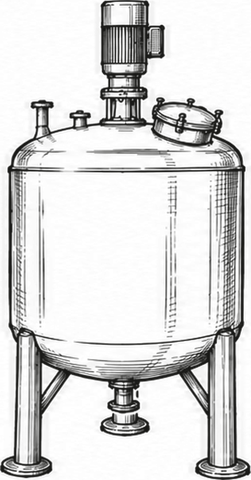
01Dissolve surfactantsMild surfactants and humectants in purified water.
02Add chelator and preservativePlus actives, mixing gently to avoid foam.
03Adjust pHClose to skin pH.
04Filter for clarityPolish filter; two-phase types filled as layers.
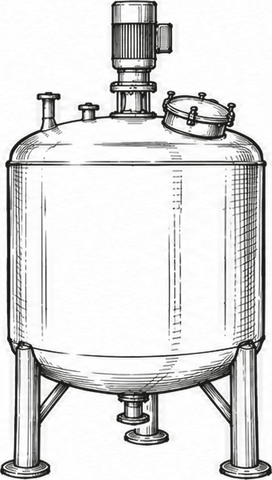
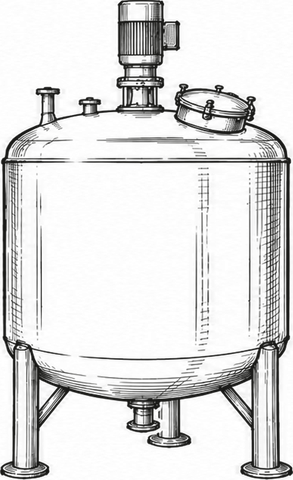
cold fill · 25 °CUses a liquid filler, with a two-step or ratio fill so two-phase types get the right layer split.
Specifications
pH
pH 5–6.52 acid7 neutral10 alkaline
Viscosity at rest
1–10 mPa·swaterlotioncreambutterpaste
Batch sizes
50 L pilot1,000 L5,000 L production
Lab notes
Preservation
Required, as water activity is high and packs are large. Challenge test to ISO 11930.
Stability testing
Storage at 40–45 °C and 4 °C, freeze–thaw, clarity and cloud point, and eye-tolerance testing for eye-area claims.
Regulatory, Australia
Cosmetic; eye-area use needs suitable safety evidence, and 'ophthalmologist tested' needs a supporting study. Label ingredients under the Consumer Goods (Cosmetics) Information Standard 2020.